news
Bur Dubai Builds Resilience Through Local Initiatives Amid Global Crises
As international tensions and climate events escalate, Bur Dubai leverages local initiatives to address city needs, reflecting a pragmatic approach compared to its global counterparts.
How we reported this
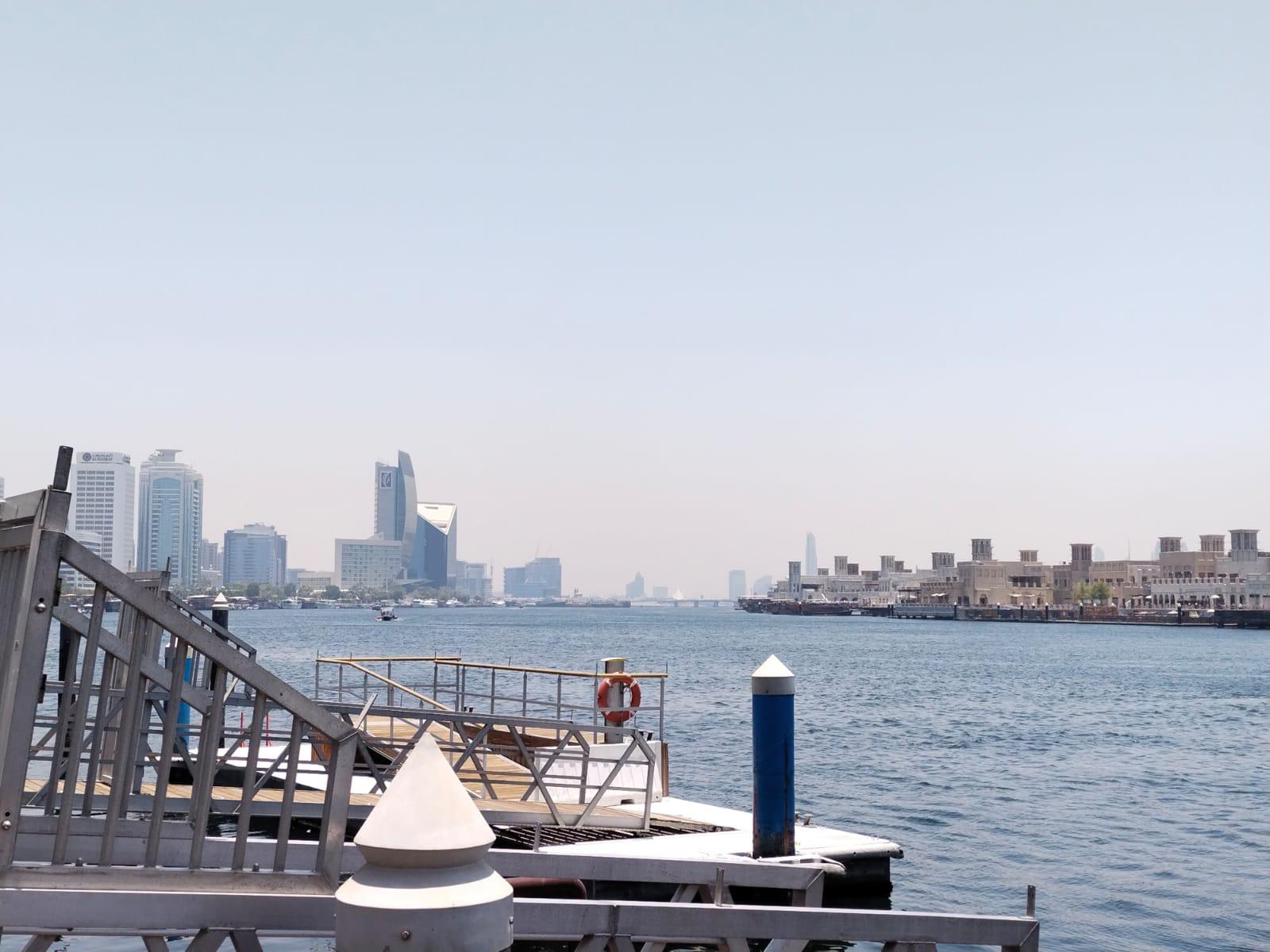
Bur Dubai’s authorities and community groups are steadily managing urban and environmental challenges even as global events-including regional conflicts and extreme weather-pose indirect pressures on the city. While specific data on Bur Dubai’s response measures and resilience have not been formally published, local reports indicate ongoing efforts to maintain social stability and urban functionality.
Context of Global Pressures Affecting Bur Dubai
Recent international developments such as the U.S.-Iran tensions around the Strait of Hormuz, as well as severe typhoons hitting parts of Asia and China’s evacuation of nearly two million people, contribute to a complex global atmosphere that impacts trade, security, and humanitarian responses worldwide. Bur Dubai, as part of Dubai’s larger metropolitan area, is inevitably influenced by these geopolitical and climate factors through economic linkages, trade routes, and the wellbeing of diverse resident communities.
This matters now as cities across the Middle East calibrate their approaches to urban development, social cohesion, and emergency preparedness while anticipating unpredictable geopolitical shifts and climate challenges. For Bur Dubai, which serves as a historical and commercial hub within the city of Dubai, sustained governance and community engagement remain vital to navigating these challenges compared to other major urban centers facing similar pressures globally.
Current Local Measures in Bur Dubai
On the local level, Bur Dubai continues to focus on maintaining essential services and supporting its vibrant, multiethnic populace. City authorities have reportedly prioritized community safety, infrastructure upkeep, and local businesses, particularly in well-trafficked areas such as Al Fahidi Street and the historic textile souk. Alongside government agencies, non-governmental organisations and local businesses have reportedly enhanced support mechanisms for families and workers potentially impacted by regional instability or economic fluctuations caused by international events.
Community outreach programs and urban renewal projects, while not detailed in publicly accessible reports, follow the long-established patterns of Bur Dubai positioning itself as a resilient and inclusive urban sector within Dubai. Compared to similar cities facing external threats and climate-related evacuations, Bur Dubai's approach reflects pragmatic adaptation grounded in local coordination rather than large-scale emergency measures observed elsewhere.
Qualitative Evidence of Resilience and Planning
Although concrete statistics on Bur Dubai’s current resilience strategies or economic impact in light of global crises are unavailable, the city’s administrative steadiness amid regional uncertainty suggests a level of preparedness that outpaces many comparable urban centers. Unlike areas forced to enact mass evacuations or emergency combat operations, Bur Dubai’s challenges are being handled with incremental adaptation and measured governance.
The absence of reported significant disruptions to Bur Dubai’s daily life contrasts with global hotspots experiencing upheaval due to geopolitical conflict or climate disasters. This qualitative evidence points to an urban environment managing indirect global effects effectively through ongoing local engagement rather than reactionary emergency responses.
While broader Dubai occasionally faces challenges linked to disrupted oil flows or shifting trade routes, Bur Dubai's focus remains on sustaining normalcy through civic services, community cooperation, and enhancing social safety nets. This strategy aligns with the wider UAE governmental philosophy privileging stability and long-term strategic planning.
Looking Ahead for Residents and Stakeholders
For residents and businesses in Bur Dubai, the practical takeaway is the importance of staying informed through official channels and participating in community initiatives that bolster local resilience. Maintaining readiness for any sudden changes in regional dynamics remains prudent, even if current conditions appear stable.
Authorities are expected to continue balancing economic vitality with social welfare, learning from global incidents while tailoring responses to local contexts. For stakeholders, supporting local efforts that enhance urban infrastructure and social cohesion will be crucial in ensuring the area’s capacity to absorb and adapt to future pressures.
Overall, Bur Dubai’s approach highlights the effectiveness of steady governance and community investment in contrast to more reactive measures seen in other cities affected by global upheavals.