news
Officials and Experts Weigh In on Bur Dubai's Infrastructure Ambitions
City leaders and urban planners discuss the challenges and opportunities behind Bur Dubai's expanding infrastructure landscape.
How we reported this
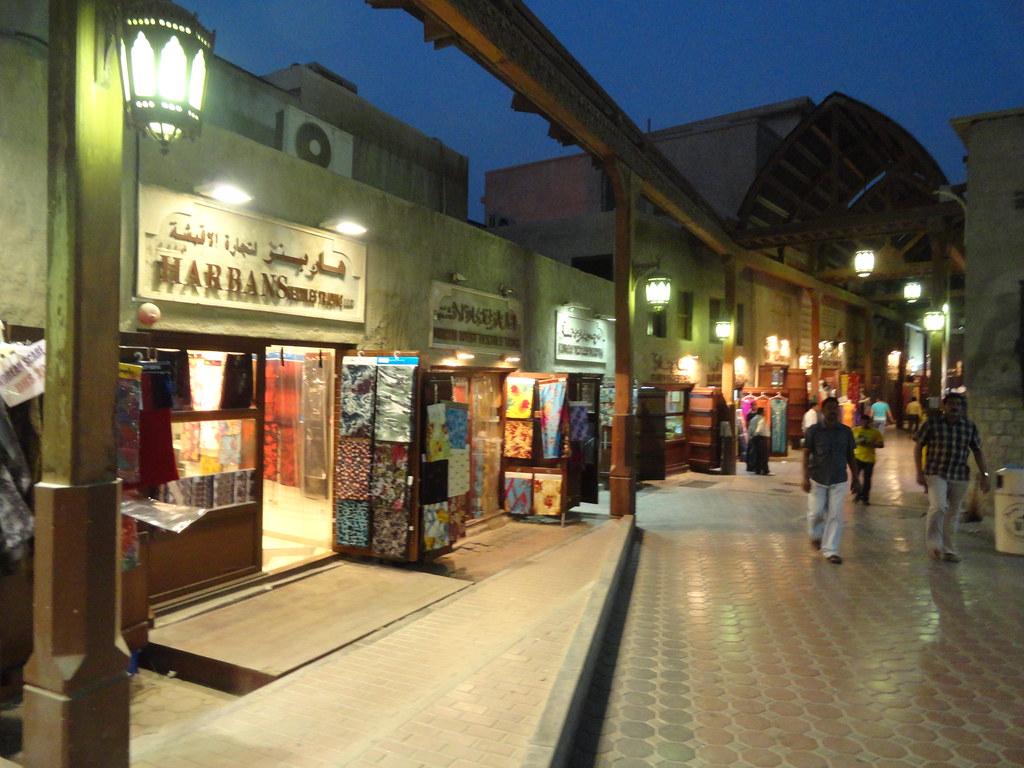
Bur Dubai's infrastructure projects remain a focal point for city officials and urban experts as the community grapples with balancing development and livability. While there is no headline-grabbing announcement today, local leaders and planners continue to engage in discussions reflecting the neighborhood’s evolving needs and potential growth.
The Importance of Infrastructure in Bur Dubai's Urban Future
As one of Dubai's oldest commercial and residential hubs, Bur Dubai faces unique pressures to upgrade and maintain its infrastructure amid ongoing urban expansion. Streets and public spaces in areas such as Al Fahidi and Meena Bazaar reflect a patchwork of old and new, testing the ability of planners to integrate modern facilities without sacrificing heritage. Enhancing transport links, utilities, and public amenities remains critical to supporting Bur Dubai’s mixed-use character and burgeoning population.
While no immediate projects have been announced in official channels, the topic of infrastructure improvements is regularly raised in city planning meetings and community forums. Stakeholders emphasize the importance of coordinated efforts to streamline traffic flows, upgrade water and electrical systems, and enrich pedestrian experiences. These discussions underscore a collective awareness that Bur Dubai’s infrastructure must evolve to keep pace with both resident expectations and broader Dubai development targets.
Perspectives from Local Leaders and Urban Experts
City officials acknowledge that infrastructure investment is essential to sustain Bur Dubai’s role as a key cultural and economic zone. They have highlighted challenges including aging road networks, congestion during peak hours, and the need for sustainable solutions that respect the area’s historical fabric. Experts have pointed out that carefully targeted upgrades in public transport connectivity could ease travel strains between Bur Dubai and neighboring districts.
Key figures in urban planning circles frequently stress the delicate balance required in a community rich with heritage sites. Retrofitting infrastructure while preserving the character of landmarks, such as the Bur Dubai Grand Mosque, demands nuanced approaches. Authorities are said to be exploring innovative urban design strategies that prioritize walkability and community spaces alongside infrastructure modernization.
While there are no definitive timelines or budget disclosures available at this stage, the continued focus on infrastructure reflects an understanding that Bur Dubai’s future vitality depends on addressing current shortcomings in a holistic manner. Public engagement and expert advice remain central to shaping feasible and culturally sensitive solutions.
For residents and visitors, this ongoing dialogue signals that improvements are a priority, even if concrete projects are still in planning phases. Continued updates from city bodies and consultation outcomes can be expected as detailed plans gradually take shape.