news
Bur Dubai Transport Gains Momentum with Major Projects Ending, What’s Next for Traffic Flow?
Completion of the Al Shindagha Corridor Development marks a turning point while new bridge and Metro projects promise further change.
How we reported this
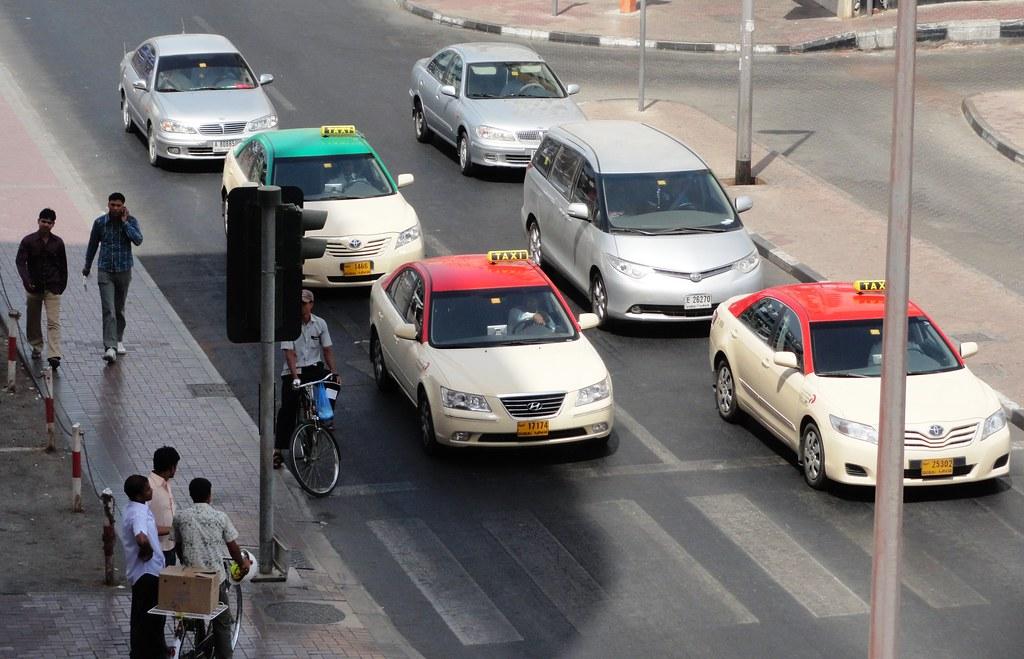
The Roads and Transport Authority (RTA) has officially completed all phases of the Al Shindagha Corridor Development Project, securing uninterrupted traffic flow from Al Garhoud Bridge to Port Rashid via the Infinity Bridge and Waterfront Market, a vital artery through Bur Dubai. This milestone marks a significant easing of long-standing congestion problems affecting commuters and transport operators across the area. Meanwhile, a new 1,425-metre bridge valued at AED 786 million is under construction to enhance connectivity between Bur Dubai and the Dubai Islands, promising to relieve pressure on existing routes and support future residential and commercial growth.
Critical Infrastructure Crossroads as Bur Dubai Traffic Bottlenecks Ease
Traffic in Bur Dubai has long suffered from bottlenecks and delays, particularly for residents and businesses relying on access to the Port Rashid area and nearby island districts. Completing the Al Shindagha Corridor effectively addresses one of the most congested stretches by linking key bridges and thoroughfares seamlessly. This project’s completion comes amid a citywide push to upgrade and expand major transport corridors ahead of the Expo 2030 and the population surge projected by 2040.
The 1,425-metre, eight-lane Bur Dubai-Dubai Islands bridge-now under construction-is among the highest-profile new infrastructure projects set to reshape urban mobility. Once finished, this bridge will serve as the main entry and exit route for the Dubai Islands from Bur Dubai, directly impacting freight, tourism, and daily commuter flows. With an investment of AED 786 million, it ranks among the top 10 infrastructure projects spearheading Dubai’s urban transformation through 2027 and beyond.
Evidence and Implications: Metro Expansion and Stormwater Projects Complement Roads Upgrade
These surface transport improvements coincide with internal investments in public transit and supporting infrastructure. The Dubai Metro Blue Line, a massive AED 20.5 billion project spanning 30 kilometers with 14 stations, saw its main tunnelling works inaugurated in May 2026. Scheduled for completion by 2029, the line is anticipated to serve approximately 1 million residents by 2040, providing a vital alternative to road traffic and further relieving Bur Dubai’s main corridors. Complementing this, the Dubai Loop underground transit system began its initial operations linking DIFC and Dubai Mall in mid-2026, with further expansions planned to span 22.2 km and 19 stations.
Investments are also proceeding in critical stormwater and sewerage upgrades, with the AED 250 million project in Al Quoz Creative Zone and AED 500 million drainage improvements underway in Deira (currently 36% complete). These efforts address flooding issues that can disrupt transport flows during peak rains, illustrating a holistic approach to traffic and infrastructure planning in the greater Dubai region.
Bur Dubai’s road network improvements, combined with next-generation transit systems and drainage resilience measures, indicate a shift towards integrated urban mobility and environmental risk mitigation. These initiatives underpin municipal strategies to ease congestion, support expanding communities, and ensure long-term sustainability.
What Happens Next: Strategic Decisions and Practical Implications
With the Al Shindagha Corridor now operational, attention turns to the timely completion of the Dubai Islands bridge and Metro Blue Line. RTA and Dubai Municipality face key decisions ensuring these projects adhere to schedules and budgets while minimizing disruptions during construction phases.
For commuters and local businesses in Bur Dubai, practical advice involves monitoring traffic pattern changes as the new corridor influences traffic distribution. Public transport options, including the Blue Line and Dubai Loop, will become increasingly relevant to avoid peak-hour gridlock. Authorities are expected to coordinate communication campaigns advising on alternative routes and travel modes as these infrastructures come online.
Looking further ahead, sustained investment in elevated carriageways-such as the approved 15km First Al Khail Street Development Plan running parallel to Sheikh Zayed Road with construction set to begin in Q3 2027-will continue to shape Bur Dubai’s transport landscape. Moreover, the completion of more than 70 major infrastructure projects citywide by end-2027 suggests a rapidly evolving urban framework that layer roads, bridges, and tunnels in support of Dubai’s growth ambitions.
In the immediate term, Bur Dubai residents and businesses should prepare for staged transport network transitions as these developments phase in. Adjustments to commuting habits and flexibility with transit modes will help ease the initial adaptation period, while long-term gains from enhanced connectivity and reduced travel times promise substantial quality-of-life improvements and economic benefits.