news
Voices from Business Bay Community on Governance without a City Council
Residents and businesses in Dubai’s Business Bay navigate district development amid absence of a dedicated city council.
How we reported this
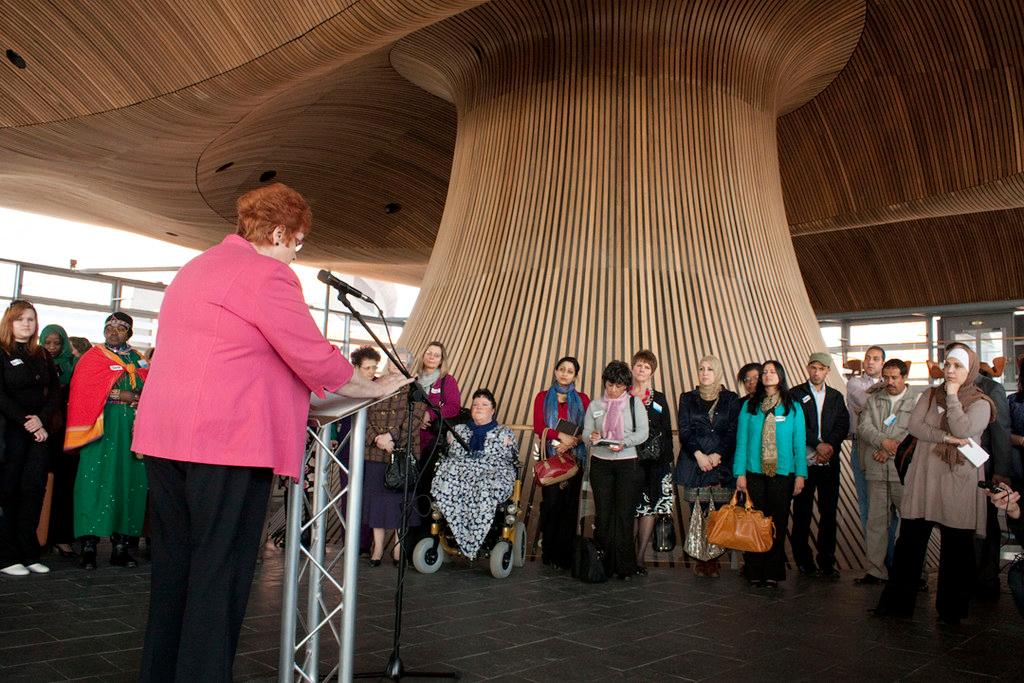
Business Bay, a bustling commercial and residential district in Dubai spanning 64 million square feet, continues to develop under the guidance of Dubai Municipality and the Dubai Land Department, rather than a dedicated local city council. This governance structure leaves residents and business owners reflecting on how decisions affecting their daily lives and investments are made without a city council specific to their district, which diverges from standard practices in many global business hubs.
Why City Council Updates Matter to Business Bay
Unlike some urban centers globally, Business Bay does not have a city council that holds public meetings or issues localized, community-driven updates. Instead, Dubai’s centralized municipal authorities oversee zoning, land use, infrastructure projects, and building regulations impacting the district. For a planned population projected to reach around 300,000 and a landscape featuring over 240 commercial and residential buildings, having transparent governance and clear channels for community feedback is essential.
Recent municipal updates from Dubai have focused broadly on climate innovation and zoning regulations relevant to Business Bay, and the expansion of the Dubai Canal shoreline promenade adjacent to the district has revitalized public spaces. However, the absence of a localized council means specific concerns or priorities of Business Bay’s residents and commercial stakeholders risk getting lost within broader municipal scopes. The Dubai Municipality’s stakeholder meetings and planning committees post agendas on their official portal, but these reports are generalized to Dubai at large rather than tailored exclusively to Business Bay.
Local Voices and the Complexities of Central Governance
Business Bay’s diverse community includes business owners working under commercial licensing and leasing regulations administered by the Dubai Land Department, alongside residents who live amidst a rapidly changing skyline. Without a dedicated local council, these groups rely on Dubai’s official channels, such as the Dubai Municipality website and the "Dubai Now" app, to stay informed of relevant planning and regulatory changes. They also depend on stakeholders’ meetings organized by the municipality for having input on matters that directly influence property safety standards, infrastructural upgrades, and land use.
While this centralized system allows a uniform approach across the city, it can complicate direct communication and rapid response to localized issues in Business Bay. Residents and businesses must often navigate multiple layers of municipal bureaucracy to address concerns about infrastructure maintenance or ongoing development impacts. The development of Business Bay, which completed its initial infrastructure phase in 2008 and was projected to be fully developed by 2015, continues to evolve, further emphasizing the need for clear and accessible governance mechanisms tailored to its unique scale and diversity.
Looking Ahead: Navigating Governance Without a City Council
For now, Business Bay community members are advised to engage proactively with Dubai Municipality’s resources to follow updates on urban planning, zoning resolutions, and property regulations affecting their district. Real-time notifications through digital platforms like the "Dubai Now" app offer avenues to remain informed about decisions and municipal initiatives.
In the absence of a localized city council, fostering dialogue between residents, business owners, and Dubai’s municipal authorities becomes critical. Stakeholder participation in advisory committee meetings and providing feedback through official channels remain essential tools for influencing decisions that shape Business Bay’s future landscape. The district’s scale and significance within Dubai’s urban environment make effective governance and community engagement a priority for sustaining its growth and livability.