news
Downtown Dubai's Evolution: How Urban Dynamics Shaped Modern Neighborhood
Understanding the historical and urban dynamics that have shaped Downtown Dubai’s current neighborhood landscape.
How we reported this
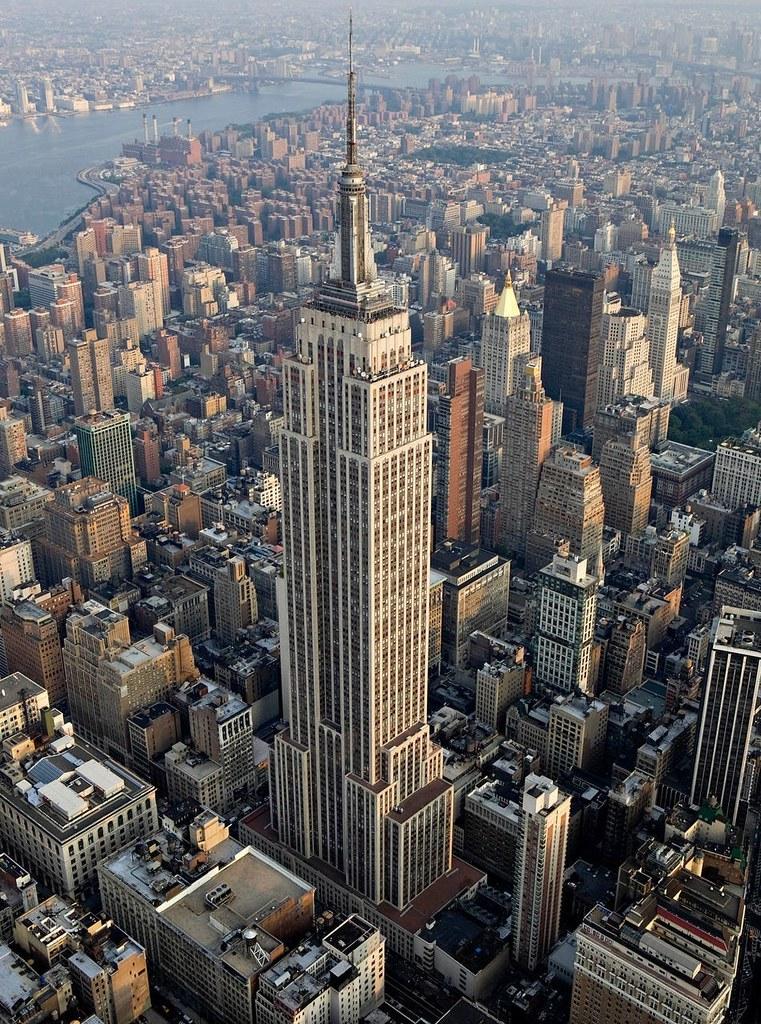
Downtown Dubai's neighborhood has undergone a profound transformation over the past two decades, evolving from a nascent development at the city's heart into one of its most iconic urban spaces. This evolution is not merely about the rise of skyscrapers or luxury retail; it signals broader shifts in urban planning, economic priorities, and community identity within Dubai.
Why Downtown Dubai’s Development Matters Now
As the city continues to expand and modernize, Downtown Dubai stands as a central focal point for Dubai’s ambitions on the world stage. Its growth reflects broader economic objectives to bolster tourism, attract international investment, and establish Dubai as a center of business and culture. The timing is important because urban development here sets a precedent for new projects across the city, influencing how residents live, work, and socialize.
Recently, attention has turned to the neighborhood’s integration of commercial, residential, and leisure spaces, and how these changes impact local communities. This includes the balance between luxury offerings and accessible public spaces, amid increasing visitor numbers and population density.
Local Urban Context and Development Dynamics
Downtown Dubai, anchored by landmarks such as the Burj Khalifa and The Dubai Mall, is more than just a collection of structures. It represents a carefully orchestrated urban blueprint that blends traditional Middle Eastern architectural elements with cutting-edge global design trends. Over time, this area has attracted a mix of residents, from expatriates to Emirati families, alongside a steady influx of tourists.
Urban planners have continuously adapted the neighborhood's infrastructure to support this complex mix. Investment in pedestrian promenades, transit access, and public parks has aimed to foster a vibrant street life despite rapid vertical growth. This dual focus, on high-rise living and open communal spaces, helps sustain Downtown Dubai’s unique character.
Evidence of Neighborhood Evolution
While precise local statistics like occupancy rates or population numbers for Downtown Dubai aren’t supplied here, the qualitative pattern is clear. The development trajectory mirrors Dubai’s broader urban strategy: moving from sprawling, vehicle-dependent layouts toward denser, walkable communities that support both economic activity and social interaction.
Downtown Dubai has become a hub where luxury retail interfaces with cultural venues, and world-class hospitality services coexist with residential towers. Though the area’s exclusivity can sometimes raise concerns about affordability and accessibility, its appeal lies in the seamless blending of business, leisure, and community-oriented urban living.
Looking forward, what occurs in Downtown Dubai will likely influence future urban growth and development policies across the city. Developers, city planners, and residents alike will be watching as the neighborhood balances preservation of its unique environment with ongoing modernization and density increases.