news
Dubai Marina Reshapes Urban Development With Local-First Strategy
As cities worldwide recalibrate their neighborhoods, Dubai Marina's development reflects unique regional priorities and challenges.
How we reported this
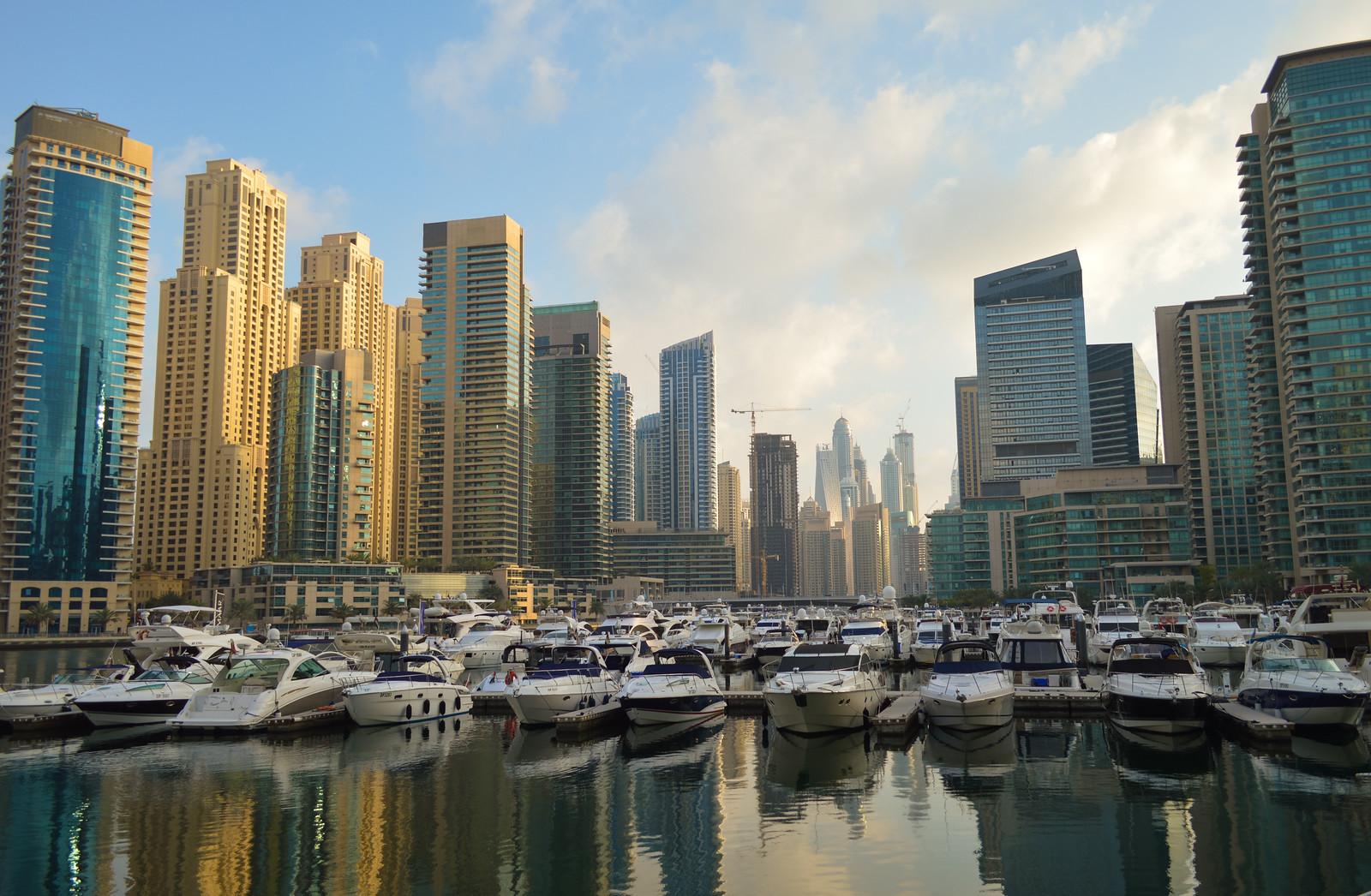
Dubai Marina continues its growth with a focus on sustainable urban planning that differentiates it from many international counterparts. While global cities grapple with balancing rapid expansion and livability, Dubai Marina is navigating these pressures through targeted community engagement and infrastructure investments tailored to local needs.
Navigating Growth in a Global Context
The urgency of managing neighborhood development has intensified in cities worldwide as urban populations swell and infrastructure ages. For Dubai Marina, a district renowned for its waterfront living and high-rise skyline, development is not merely about construction volume but about creating a cohesive, functional environment for residents and visitors alike. This approach aligns with broader trends seen in global metropolises that aim to harmonize economic ambition with quality of life.
Unlike some global cities experiencing congestion and strained resources, Dubai Marina’s administration appears to prioritize forward-looking policies. This includes careful land use planning, community spaces, and transportation networks-all critical factors in sustaining neighborhood vitality. The district’s development ethos shows a cognizance of its geographical and cultural identity, distinguishing it from less contextually sensitive urban expansion efforts elsewhere.
Local Developments and Their Community Impact
Within Dubai Marina, several projects exemplify this approach. Investments in public amenities such as parks and pedestrian-friendly zones have aimed to foster social interaction and healthier lifestyles. Infrastructure upgrades have focused on improving connectivity without compromising the area’s signature waterfront charm. The local government and private stakeholders have collaborated to ensure developments satisfy both residents’ expectations and commercial viability.
The balance struck in Dubai Marina often contrasts with challenges observed in other urban zones globally, where rapid development can lead to fragmented communities and environmental strain. While data on specific project outcomes is limited in scope, qualitative assessments indicate positive feedback from residents regarding access to green spaces and enhanced urban mobility.
This nuanced handling of neighborhood development suggests an evolving model that other cities might observe. Dubai Marina’s experience underscores the significance of integrating cultural and environmental considerations in urban policy.
Moving forward, stakeholders in Dubai Marina are expected to continue refining this balance, responding to demographic shifts and technological advancements. Practical advice for residents includes engaging with local planning consultations to influence the district’s trajectory. For other cities examining Dubai Marina’s model, the key lies in adapting strategies to local contexts rather than replicating any single formula.