news
Dubai Marina Pursues Unique Expansion Strategy Diverging From Global Coastal Cities
The district adapts its growth strategies in ways that diverge from patterns observed in other major coastal urban centers.
How we reported this
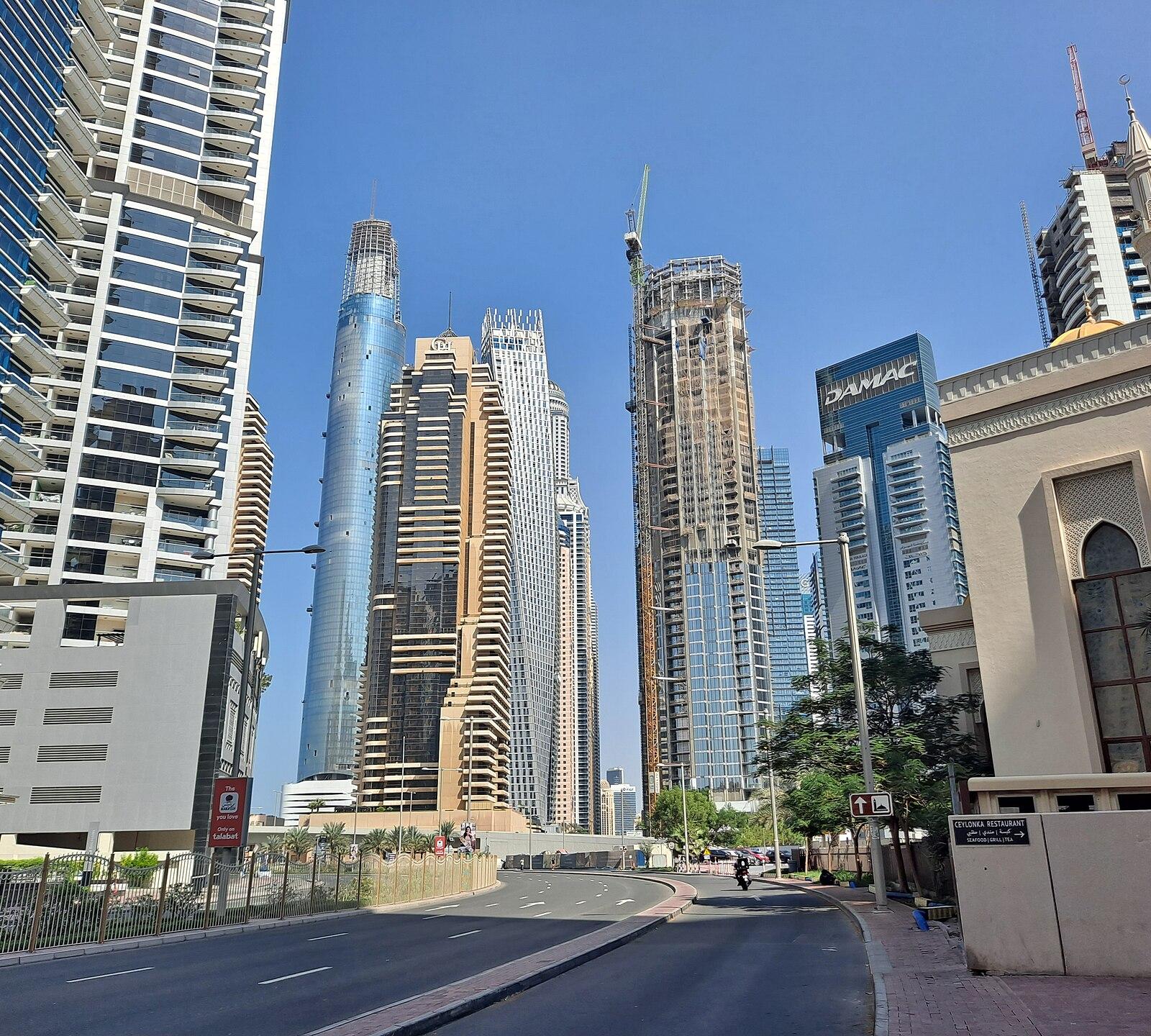
Dubai Marina manages neighborhood developments by prioritizing mixed-use integration along its waterfront zones rather than allowing isolated residential clusters to dominate, a pattern that sets the area apart from growth models in cities such as Singapore and Miami.
The timing of these planning choices coincides with renewed global attention on how dense waterfront districts absorb population increases without straining existing infrastructure. Cities facing similar pressures have often relied on large-scale rezoning or new transit corridors, yet Dubai Marina has leaned toward incremental adjustments that keep commercial and residential functions intertwined.
Local Adaptation Patterns
Planners here have focused on maintaining pedestrian access between high-rise towers and the marina basin itself, avoiding the separation of retail strips from housing that has appeared in comparable waterfront projects elsewhere. This approach reflects an emphasis on keeping daily movement contained within established blocks instead of pushing new construction outward.
Qualitative reviews of recent building approvals show continued preference for vertical additions that incorporate ground-level public spaces, a choice that reduces pressure on surrounding road networks compared with horizontal sprawl seen in other expanding districts.
Contrasts With Other Coastal Centers
Observers note that Dubai Marina has not pursued the same degree of dedicated green corridors or elevated walkways that some peer cities introduced after rapid growth phases. Instead, the district continues to rely on existing street grids and shared amenities to absorb new residents, a method that keeps development costs lower but requires ongoing maintenance of older infrastructure.
Residents and business operators in the area report steady foot traffic between offices and leisure spots, suggesting the integrated layout supports local commerce without the need for additional shuttle services that other cities have added. Future adjustments will likely center on refining these existing connections rather than launching entirely new districts.