Politics
Dubai Municipality's 2026 Infrastructure Push: What Bur Dubai Residents Can Expect and When
A multi-phase municipal upgrade programme covering roads, waste services and public spaces in Bur Dubai is rolling out across the second half of 2026, with residents set to see tangible changes by the fourth quarter.
How we reported this
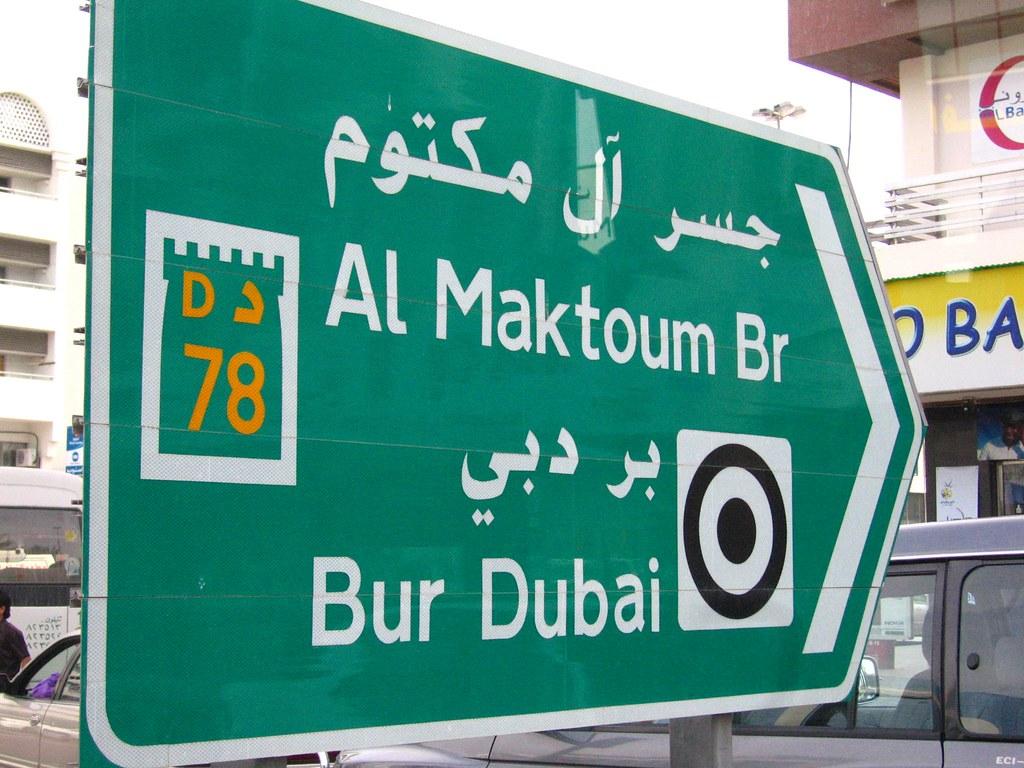
Dubai Municipality has confirmed that a package of local infrastructure and service improvements targeting the Bur Dubai district will proceed in three phases through the remainder of 2026, with the first works along Al Fahidi Street and the Al Ghubaiba waterfront corridor already under way as of July. The programme affects residents, shopkeepers and the tens of thousands of workers who commute daily through one of Dubai's oldest and most densely populated urban quarters. Under the Dubai 2040 Urban Master Plan, heritage-adjacent districts like Bur Dubai are designated for upgraded public amenities while preserving their existing built character, a balance local planners have described as the central challenge of the rollout.
The timing matters for practical reasons. The district's pedestrian network, much of it laid in the 1990s, has been under sustained pressure from population growth in the surrounding Al Mankhool, Karama and Meena Bazaar sub-areas. Dubai Statistics Centre data from the 2024 population census placed the resident headcount in the wider Bur Dubai sector at approximately 280,000, a figure that excludes the daytime commercial and transit population. Foot traffic through Al Fahidi Metro Station alone exceeded 45,000 daily boardings in the first quarter of 2026, according to Roads and Transport Authority figures published in its quarterly performance report. Those numbers frame why municipal officials have cited congestion and surface deterioration as the two headline problems the 2026 programme is designed to address.
What Changes and When Residents Will Feel Them
Phase one, running July through September 2026, focuses on resurfacing the pedestrian walkways between Al Seef and the Dubai Museum block, installing new shaded seating structures, and upgrading the drainage channels that have historically caused localised flooding during rare but disruptive summer rain events. Residents in flats above the Meena Bazaar commercial strip can expect construction noise during morning hours on weekdays, with Dubai Municipality having stated that heavy equipment work will be confined to the 7 a.m. to 2 p.m. window to limit evening disruption. Shopkeepers on Al Fahidi Street have been notified that pedestrian access will be maintained throughout, though two short lane closures on adjacent service roads are projected to last up to six weeks each.
Phase two, scheduled for October through December 2026, covers waste management upgrades, specifically the installation of an additional 12 smart waste compaction units in the Al Raffa and Al Hamriya sub-zones. The units, which compact refuse automatically and signal collection teams when full, are expected to reduce the frequency of overflow incidents that local residents have flagged repeatedly in Dubai Municipality's community feedback portal. The municipality's 2026 annual budget allocated AED 1.4 billion to citywide waste infrastructure, with Bur Dubai among the priority zones listed in the budget documentation published in January. Separately, public lighting along the creek-facing promenade is projected to be brought up to LED standard by November, a change the Roads and Transport Authority says will reduce energy consumption on that corridor by roughly 40 percent.
Looking Ahead to 2027 and Outstanding Questions
Phase three remains in planning and is not expected to begin until the first quarter of 2027. It covers the most complex element of the programme: a realignment of bus stop infrastructure near Al Ghubaiba Bus Station to improve flow between water taxi, metro feeder bus and intercity coach services. The Roads and Transport Authority has described the project as integrated with its broader public transport connectivity agenda for 2027 and has said formal community consultation will open in September 2026. Residents and business owners will have a defined window to submit feedback through the RTA's official digital engagement platform before designs are finalised.
For ordinary residents, the practical sequence is: pavement and shade improvements this summer, better waste collection by autumn, and a public transport connectivity upgrade beginning next year. Policy analysts who track Gulf municipal development note that phased rollouts of this kind give administrations the ability to adjust scope mid-programme based on budget performance and resident feedback, which means the Phase 3 design is still subject to change. Anyone with a stake in the Al Ghubaiba transport junction, whether a daily commuter, a Creek-area retailer or a resident of the surrounding streets, has until the September consultation opens to prepare input.