Politics
Deira City Council Approves Parking Revenue Shift to Housing Assistance
The July 7 vote directs fees from central Deira parking zones to rental subsidies, affecting drivers and low-income households in designated neighbourhoods.
How we reported this
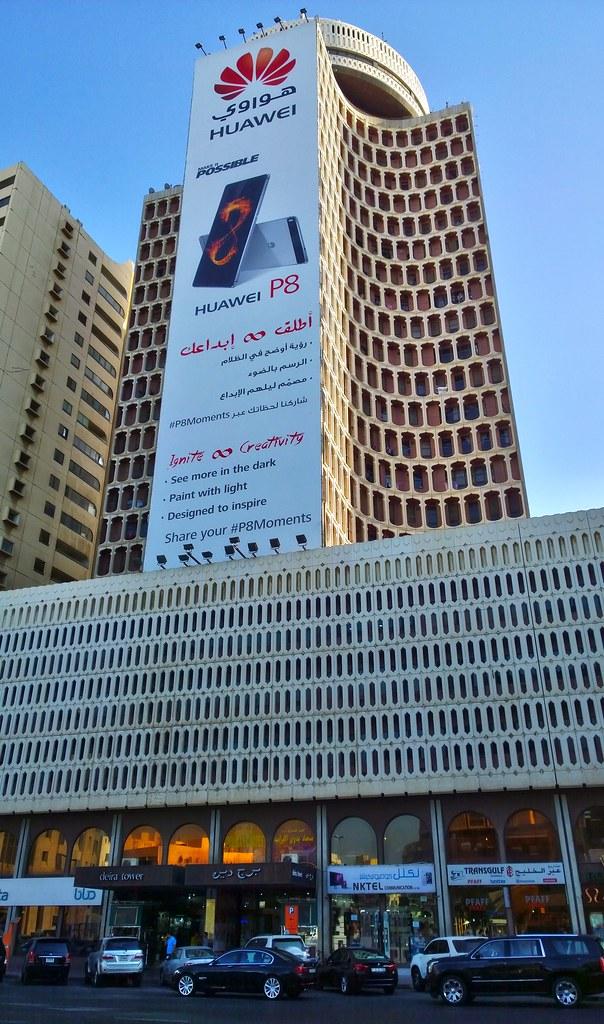
The Deira City Council passed a measure on July 7 that redirects revenue from paid parking in the Al Rigga and Naif commercial districts to an expanded rental assistance program. The policy change applies to 1,200 metered spaces and is projected to generate funds for 450 additional households by the end of 2027.
Why the vote occurred now
Council records show the decision follows a March 2026 budget review that identified a shortfall in housing support applications. The legislation states that parking fees collected above the 2025 baseline must be transferred quarterly to the Deira Housing Authority, replacing a previous general revenue allocation.
Residents who rely on the current rental subsidy waitlist stand to receive faster processing for payments capped at 1,800 dirhams per month. Households in buildings east of Al Maktoum Street that meet income thresholds below 6,000 dirhams monthly will see priority placement. Drivers who park daily in the affected zones will pay an additional 3 dirhams per hour starting October 1.
Budget allocation and resident effects
The council document lists a transfer of 4.2 million dirhams from parking operations in the first year. This amount equals the cost of subsidising 225 two-bedroom units at average market rents reported in the 2025 Deira housing survey. Commercial property owners in the same zones retain existing rate rebates, while individual commuters lose the previous two-hour free grace period.
Implementation begins with updated meter software in September. The Housing Authority will open a new application round in November for residents currently on the waitlist, with selections based on documented tenancy agreements rather than first-come order.
Further council sessions scheduled for August will set exact boundaries for additional zones that could be added in 2028 if revenue exceeds targets.