Politics
Dubai 2026 Household Utility Tariff Adjustments and Jumeirah Monthly Budgets
Jumeirah residents face revised electricity and water charges from September under the federal household support framework tied to the 2026 budget.
How we reported this
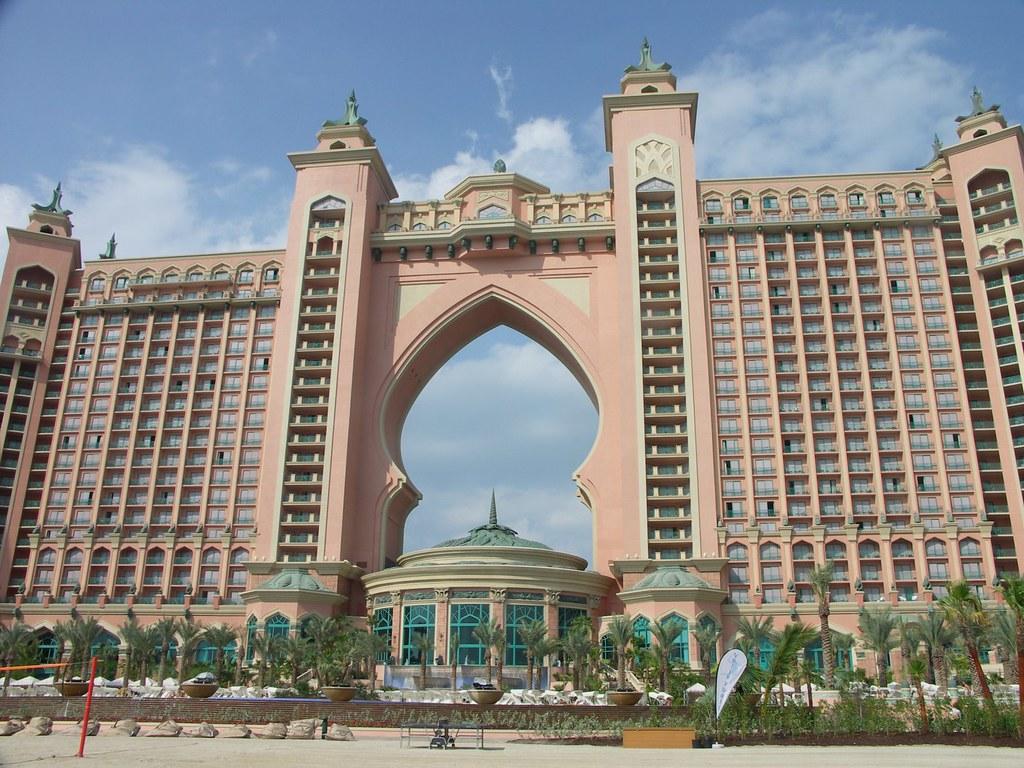
The Dubai government rolled out the 2026 Household Utility Tariff Adjustments on 1 July. The measure alters subsidy levels for electricity and water used by households in Jumeirah and other Dubai districts. It applies to expatriate and Emirati residents whose monthly consumption exceeds 2,000 kilowatt hours of power or 20 cubic metres of water.
Why the Changes Arrive Now
Candidates contesting the September municipal council elections have placed household costs at the centre of their platforms. The adjustments follow the federal budget announcement in May that reduced energy subsidies across the UAE to offset higher global fuel import costs. Jumeirah, with its high share of air-conditioned villas and apartments, records above-average summer consumption, making the policy directly relevant to local voters.
Local advocates note that many Jumeirah households already allocate 18 to 22 per cent of monthly income to utilities during peak months. The new tariff bands raise the rate for usage above the threshold from 0.32 AED to 0.42 AED per kilowatt hour. Policy analysts say the shift is expected to add between 110 and 180 AED to typical quarterly bills for families living along Jumeirah Beach Road or in Al Sufouh.
Concrete Effects on Resident Spending
A four-person household in a three-bedroom Jumeirah villa that uses 3,500 kilowatt hours in July will pay an extra 140 AED compared with last summer. Renters on fixed salaries report reallocating funds previously spent on groceries or school transport. The Dubai Electricity and Water Authority 2025 annual report listed average Jumeirah residential consumption at 2,800 kilowatt hours per month in the third quarter, providing the baseline for these calculations.
The legislation states that low-income Emirati households registered with the Ministry of Community Development remain eligible for the previous subsidy rate up to 4,000 kilowatt hours. Expatriate families without this registration move to the higher band immediately. Community groups in Jumeirah have begun distributing fact sheets that list consumption tips such as setting thermostats at 24 degrees Celsius to stay under revised thresholds.
What happens next depends on candidate forums scheduled for August. The government says the policy will be reviewed after six months using consumption data collected by DEWA. Residents can submit usage queries through the Dubai Now app before the September election date.