Politics
Palm Jumeirah Votes on Service Fee Increases Starting 2027
Palm Jumeirah property owners will face updated annual service charges from the first quarter of 2027 if the measure receives approval in the September vote.
Listen in English · 3 min
How we reported this
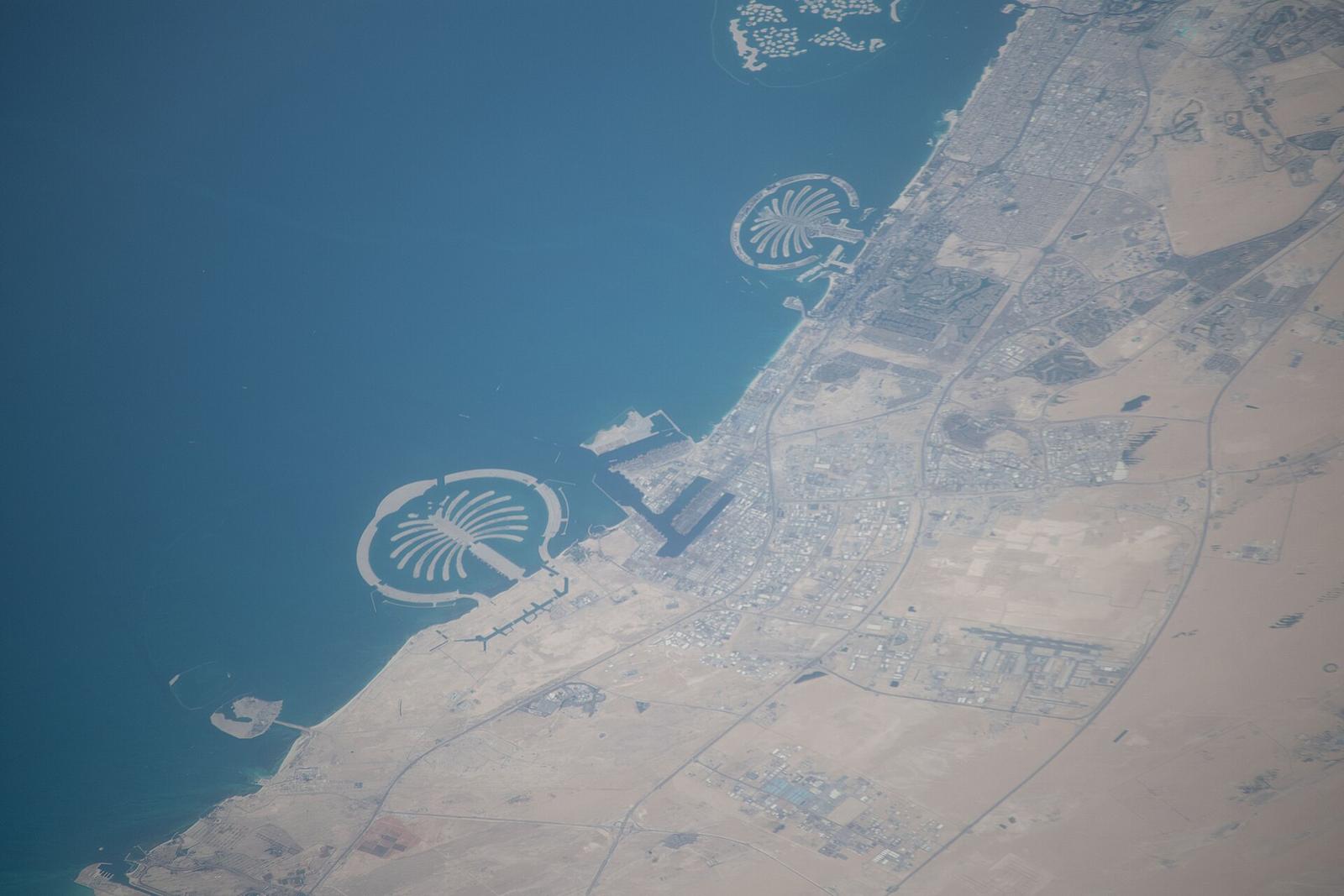
The Dubai Executive Council has scheduled a referendum on a proposed maintenance levy for Palm Jumeirah infrastructure, with the ballot set for 15 September. The measure would authorise annual contributions from island property owners to fund road repairs, beach stabilisation and utility upgrades. Residents who own or lease units on the fronds and crescent will see the direct effect through their service fee statements.
Why the vote arrives now
Dubai's 2025 infrastructure plan identified accelerated wear on Palm Jumeirah's reclaimed land and transport links. The legislation requires a public vote before new levies can be collected, following the council's decision in May to shift funding responsibility partly to local users. Policy analysts note that the timeline aligns with the end of the current five-year maintenance contract held by Nakheel.
Local advocates note that service charges have remained unchanged since 2022 despite rising costs for sand replenishment and drainage work. The referendum therefore determines whether those costs stay with the general Dubai budget or shift to island residents through a dedicated fund. The legislation states that any approved levy must be applied uniformly to residential and commercial titles alike.
When residents will notice the difference
If passed, the new charge appears on the first 2027 service invoice issued by the Dubai Land Department. Property records show roughly 8,500 titled units on the island, so the levy would be calculated per square metre of built area. Owners can expect the adjustment to appear alongside existing municipality and security fees rather than as a separate bill.
The government says the policy will generate dedicated revenue within 90 days of the vote result being certified. Implementation guidance released last month confirms that the first collection cycle begins in January 2027 and runs quarterly thereafter. Residents who pay through escrow accounts will see the updated amount reflected in their March statements.
Ballot materials distributed by the Dubai Community Development Authority list three voting options: full levy, reduced levy or no change. The Productivity Commission has found that similar targeted levies in other Gulf developments have taken between four and six months to appear in resident accounts after approval. The September date therefore places the earliest visible impact in the opening months of the following year.