Politics
Palm Jumeirah Residential Service Fee Referendum to Shape Household Utility Costs
The measure would set a two-year cap on increases to electricity, water and municipal service charges paid by Palm Jumeirah households.
Listen in English · 3 min
How we reported this
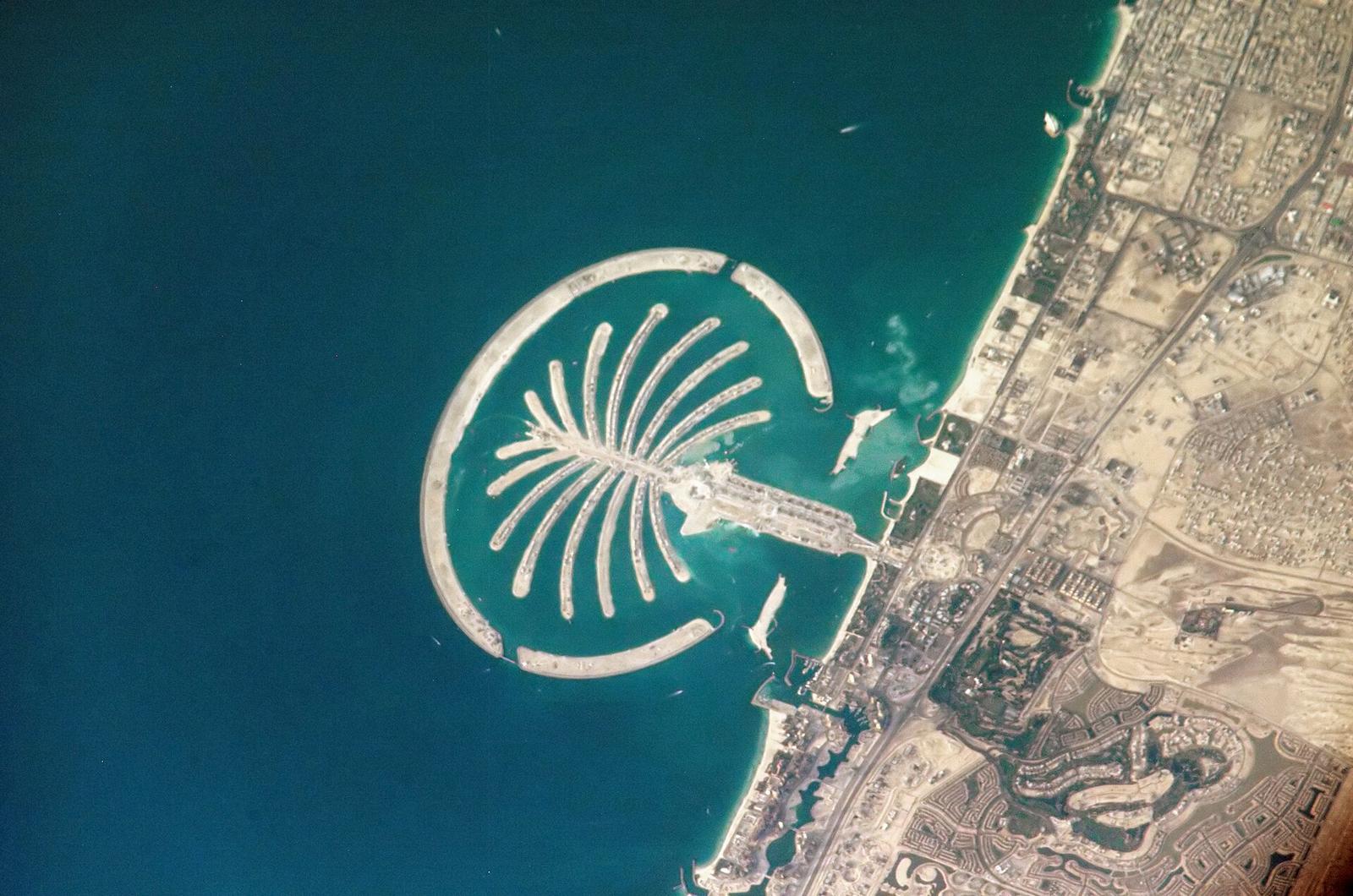
The Palm Jumeirah Residential Service Fee Referendum asks voters on 15 September to approve or reject a proposal that would limit annual rises in utility and community charges to the consumer price index for the 2027 and 2028 billing cycles. The change would apply to the roughly 18,000 residential accounts registered on the island and would alter the monthly amounts deducted from household bank accounts for power, water and waste collection.
How the measure alters payment calculations
Under current rules the Dubai Electricity and Water Authority and Palm Jumeirah municipal office apply separate annual adjustments to tariffs and levies. The referendum text states that both adjustments would instead be tied to the official consumer price index published each January by the Federal Competitiveness and Statistics Centre. A household whose combined utility and service bill totals 1,450 dirhams a month would therefore see its payment rise by no more than the index figure, currently 3.1 percent, rather than by any larger discretionary amount.
Policy analysts note that the cap would replace the separate 4.5 percent utility increase scheduled for 2027 under the existing five-year tariff schedule. The legislation also requires the municipal office to publish a single combined statement each April showing the revised monthly figure for every account, so residents receive one notice rather than separate bills from two agencies.
Budget effects for island households
Local advocates point out that service charges appear on the same bank transfer used for rent and maintenance fees in most Palm Jumeirah buildings. A family occupying a three-bedroom villa would therefore face a single line item on its monthly statement rather than multiple variable amounts. The Productivity Commission has found in earlier reviews that combined utility and municipal fees represent 11 percent of after-rent expenditure for households earning between 25,000 and 40,000 dirhams a month.
The government says the policy will reduce the number of mid-year payment adjustments from two to one, which removes the need for residents to recalculate standing orders twice annually. Implementation would begin with the January 2027 billing cycle if the measure passes, with the first capped statements issued in February 2027.
Voters will receive a single-page information sheet from the Palm Jumeirah Community Council by 20 August that lists the current and projected monthly amounts for three typical property types. Early voting opens at the Al Sufouh polling centre on 10 September for residents who hold valid Emirates ID cards linked to island addresses.