property
Build-to-Rent Arrives in JBR: What the New Schemes Actually Offer Tenants
As buying a home slips further out of reach for most residents, purpose-built rental developments are promising a different kind of deal, but the details matter.
How we reported this
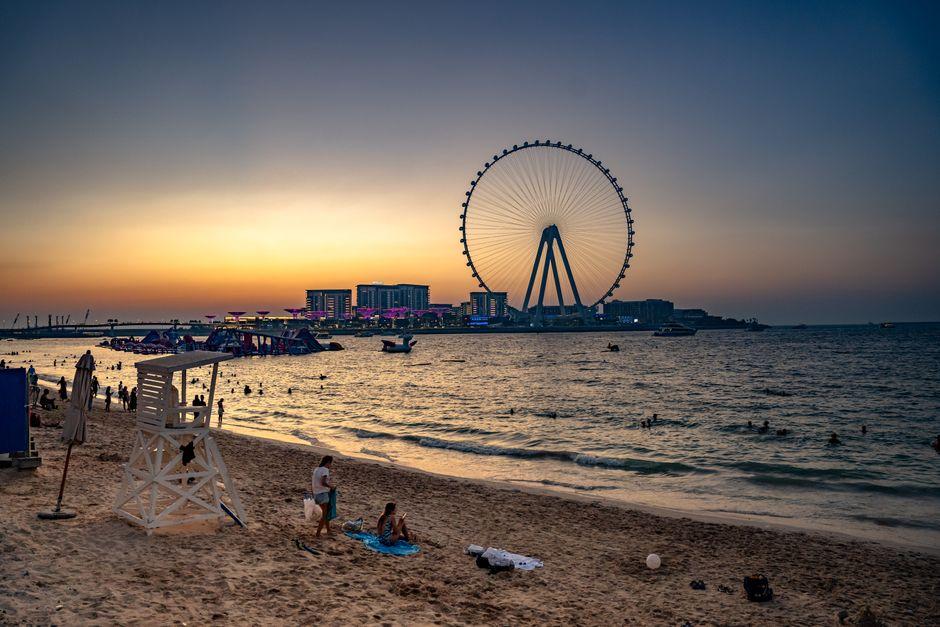
The gap between renting and buying in Jumeirah Beach Residence has rarely looked wider. Average apartment sale prices along the JBR Walk corridor have climbed steadily through the first half of 2026, pushing one-bedroom units well past the AED 1.8 million mark in several tower blocks, while median annual rents for comparable units now sit around AED 95,000, a figure that strips out the prospect of ownership entirely for most working residents. Into that gap, a new category of housing is making a serious push: build-to-rent, or BTR, developments designed from the ground up for long-term tenants rather than investor-landlords flipping units on short leases.
Why now? The short answer is supply pressure. JBR and the wider Dubai Marina district absorbed a wave of short-term holiday lets over 2024 and 2025, compressing stock available to long-term residents and pushing renewal rents upward faster than wages in most sectors. Developers who previously focused exclusively on off-plan sales for individual buyers are watching that dynamic and recalculating. BTR offers a different revenue model, steady institutional income rather than one-off sale proceeds, and it is attracting capital from regional property funds looking for stable, yield-generating assets in a market that has historically been dominated by retail investors.
What BTR Actually Looks Like on the Ground
The distinction between a standard JBR tower with a mixture of landlords and a purpose-built rental scheme is more than cosmetic. In a BTR building, every unit is owned by a single entity, typically a real estate investment trust or a developer-backed fund, and managed by a professional operator accountable to that entity alone. Tenants deal with one point of contact for maintenance, lease renewals, and disputes rather than navigating the patchwork of individual landlords that characterise most of the 40-plus towers currently lining the JBR beachfront.
Two schemes in the JBR and adjacent Al Mina Al Seyahi zone have been publicly discussed in planning and investment circles this year. The Murjan district within JBR, which sits at the northern end of the development closest to Dubai Marina Mall, is among the locations where mixed-use BTR conversion projects have been proposed. Separately, DMAC Properties, a mid-sized developer active along the Sheikh Zayed Road corridor, has signalled intentions to deliver a 320-unit BTR block in the broader JBR catchment area before the end of 2027, with flexible lease lengths starting at six months rather than the standard 12-month Ejari contract that dominates the market.
That flexibility is significant. Standard Dubai tenancy law requires landlords to give 90 days' notice before raising rent, and RERA's rent increase calculator caps annual hikes according to how far a unit sits below the market average. BTR operators, working within the same legal framework, are marketing lease structures that bundle utilities, community amenities, and maintenance into a single monthly figure, removing the hidden costs that routinely add 15 to 20 percent on top of headline rents in older JBR stock.
The Affordability Calculation
The numbers require scrutiny. An all-inclusive BTR unit in a comparable Dubai location has been quoted in recent developer presentations at around AED 110,000 to AED 120,000 annually for a one-bedroom, higher than the current JBR market average for standalone rentals. The argument from operators is that once internet, cooling, service charges, and periodic maintenance are factored in, the effective cost of renting in an older tower frequently exceeds that figure anyway, just less visibly.
For prospective buyers, the comparison is starker still. At current mortgage rates and JBR sale prices, the monthly repayment on a 25-year home loan for a mid-range one-bedroom unit, assuming a 20 percent deposit, exceeds AED 9,000. A BTR unit at AED 115,000 per year works out to roughly AED 9,600 a month with no capital exposure, no service charge liability, and no maintenance risk sitting with the occupant. The buy-versus-rent calculation does not cleanly favour either side, and that ambiguity is precisely where BTR developers see their opening.
Residents weighing up their options should press operators hard on lease renewal terms, specifically whether BTR schemes will honour RERA rent caps at renewal or argue that bundled-service contracts fall outside standard calculator methodology. That question has not yet been tested in the Dubai Rental Dispute Settlement Centre for BTR-specific contracts, and the first cases will set the tone for an entire emerging sector. Anyone signing a BTR lease in JBR before that case law develops should ensure the Ejari registration is in place and that rent increment protections are written explicitly into the contract, not left to implied terms.
This article is general information only and is not personal financial or investment advice. Consider your own circumstances and seek licensed professional advice before making financial decisions.