property
Renting in Jumeirah Now Costs More Per Square Foot Than Buying in Three UAE Satellite Cities
A new affordability gap is opening between Jumeirah's rental market and the capital city price ladder, and it's reshaping where people choose to put down roots.
How we reported this
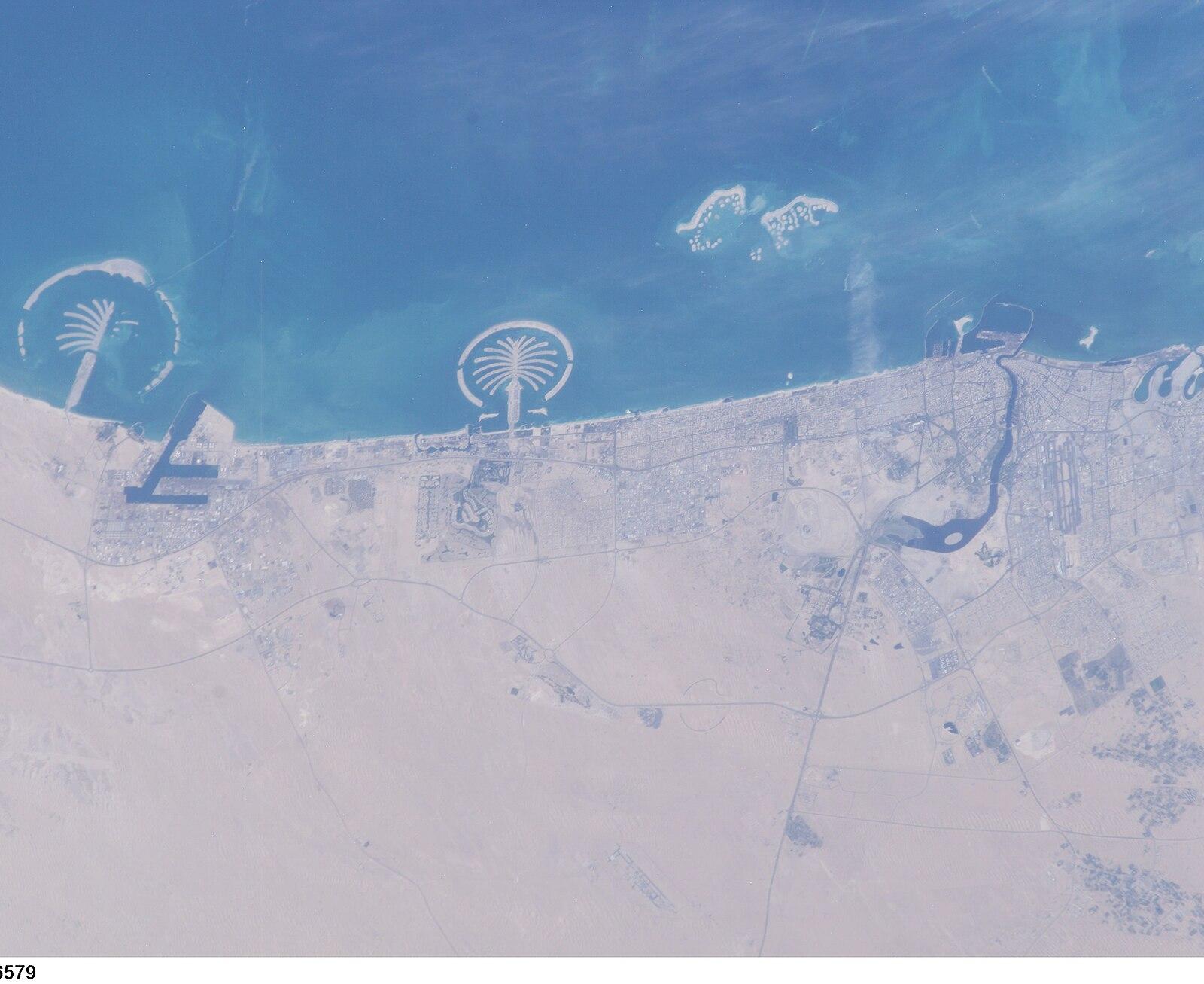
The numbers are stark. A two-bedroom apartment on Jumeirah Beach Road now commands an average annual rent of AED 195,000, a figure that, spread over a 25-year mortgage at current UAE Central Bank rates, would service a purchase loan on a comparable unit in Abu Dhabi's Al Reem Island or Sharjah's Al Majaz district with money left over each month. For the first time in several years, the monthly cost of renting in central Jumeirah exceeds the mortgage payment on equivalent space in at least three UAE regional markets.
Why does this matter right now? The UAE's property financing environment shifted in early 2026 when the Central Bank held its benchmark rate steady following the US Federal Reserve's pause cycle. Fixed-rate mortgage products from lenders including Emirates NBD and Mashreq Bank have stabilised in the 4.1 to 4.4 percent range for qualified buyers. That stability has made the buy-versus-rent calculation more concrete than it has been at any point since the post-pandemic surge. Families and young professionals sitting on the fence are doing the arithmetic, and many are concluding that the fence runs along the emirate border.
Inside Jumeirah itself, the divergence is most visible along two corridors. The stretch of Jumeirah 1 between Al Wasl Road and the beach has seen landlords push annual renewals upward by between 12 and 18 percent since January 2025, according to listings data compiled by property portals covering the district. Jumeirah 3, closer to the Mall of the Emirates interchange, has followed a similar trajectory, with villa rents for three-bedroom properties now routinely listed above AED 320,000 per year. The Real Estate Regulatory Agency's Trakheesi system, which governs registered tenancy contracts in Dubai, recorded a rise in registered lease disputes in the Jumeirah district during the first quarter of 2026, a signal that the renewal negotiation process has become genuinely contentious.
The Regional Alternative Is Getting Harder to Dismiss
Sharjah's Al Majaz waterfront and Ajman's Al Nuaimiya district are absorbing some of the overflow. Studio and one-bedroom units in Al Majaz were listed at between AED 28,000 and AED 42,000 annually in June 2026, less than a quarter of what a comparable Jumeirah address costs. More significantly, Ajman's government launched its Ajman Home Ownership Initiative in March 2026, offering Emirati and long-term resident buyers subsidised mortgage access on properties priced below AED 900,000, bringing monthly payments to levels that undercut mid-range Jumeirah rents by a substantial margin.
Abu Dhabi presents a different calculation. Al Reem Island, which sits roughly 140 kilometres from Jumeirah by road, has matured into a genuine capital city alternative rather than a commuter compromise. A two-bedroom apartment on Al Reem listed at AED 1.35 million in mid-2026 carries a monthly mortgage cost, at a 20 percent deposit and a 4.2 percent rate over 25 years, of approximately AED 5,800. A directly comparable Jumeirah Beach Road rental works out to AED 16,250 per month. The gap is not marginal. It is the central financial fact driving relocation decisions for households who can work flexibly or whose employers have offices in Abu Dhabi's growing Yas Island business zone.
What Buyers and Renters Should Do Before Year-End
Affordability analysts watching the UAE market suggest several practical steps for anyone facing a lease renewal or a first purchase decision before the end of 2026. First, use RERA's official rental index, updated quarterly and available through the Dubai REST app, to verify whether a landlord's proposed increase is legally permissible under the emirate's rent cap framework. Landlords in Jumeirah have occasionally sought increases above the RERA-permitted ceiling, and tenants who file early with the Rental Dispute Settlement Centre have historically recovered overpayments. Second, any household seriously weighing a purchase outside Dubai should obtain a mortgage pre-approval letter before touring properties in Sharjah or Ajman; cross-emirate financing conditions differ, and some lenders apply higher loan-to-value caps on properties outside Dubai. Third, factor in the total cost of relocation, including school fees, commute costs, and service charges, categories where Jumeirah's established infrastructure occasionally closes the gap with cheaper regional alternatives faster than the headline rent figures suggest.
The underlying dynamic is unlikely to reverse quickly. Dubai's population grew by an estimated 100,000 residents in 2025, and Jumeirah's premium coastal addresses remain among the most sought-after in the emirate. That demand pressure keeps rents elevated even as regional markets sharpen their value proposition. For now, the question for households is not whether Jumeirah is worth the premium, it clearly is for many, but whether the premium has finally reached the point where the maths stop working.
This article is general information only and is not personal financial or investment advice. Consider your own circumstances and seek licensed professional advice before making financial decisions.