Technology
Dubai's Business Bay Anchors Growth in AI and Sustainable Mobility
While global hubs chase legacy infrastructure, Business Bay is anchoring its growth in artificial intelligence, sustainable mobility, and a surge of new private enterprise.
How we reported this
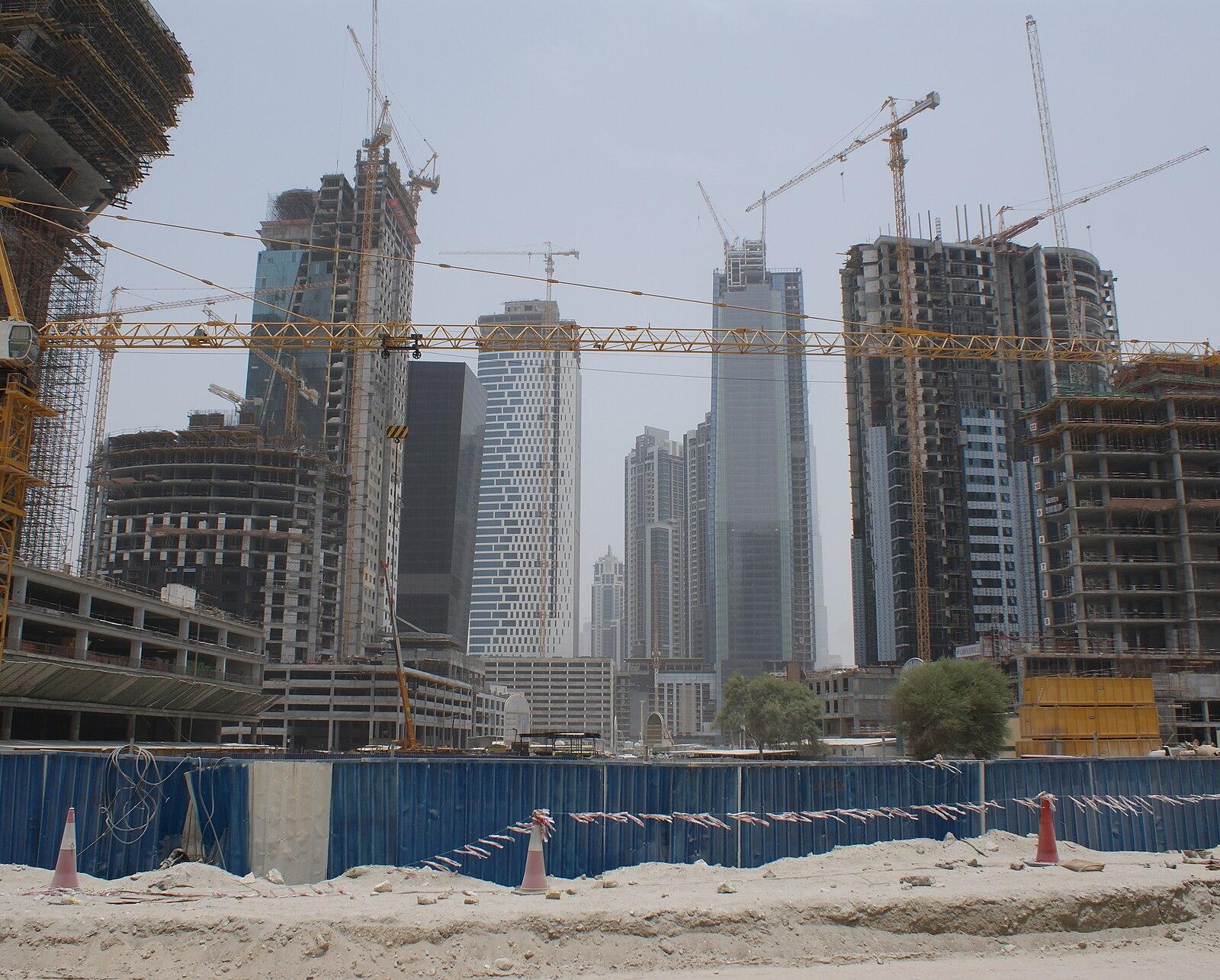
Dubai’s vision for a high-tech future is no longer a collection of long-term projections; it is actively reshaping the daily operations of its central business districts. According to RTA Dubai, 75 distinct projects supporting Smart City and AI initiatives are already in operation. These range from integrated smart infrastructure and sustainable transportation systems to specialized vehicle technology, establishing Business Bay as a primary proving ground for the city’s overarching goal to transform 1,000 government services into digitized, smart-access platforms across six key sectors, including transportation and mobility [1, 5].
The Anatomy of a Digital Hub
The district’s transformation is driven by more than just government mandate; it is fueled by a dense concentration of corporate activity. Business Bay now serves as home to over 17,000 registered companies, with a significant concentration of firms operating in the IT, technology, and media sectors [2, 3]. While international giants like Microsoft and Oracle maintain a presence here to support local operations, the district has also become a preferred base for specialized boutique firms and startups, such as Lateral Emsoft Technologies, CADD Emirates, and Smart Science Gate [2, 3].
This concentration of talent is supported by the area’s physical and digital connectivity. With direct access to the Dubai Metro and strategic proximity to the Dubai International Financial Centre (DIFC), the district attracts a workforce that relies on rapid, tech-enabled infrastructure [2, 3]. This ecosystem is evolving beyond traditional office spaces, with over 1,500 new companies establishing operations in the area recently, creating a demand for both high-end corporate infrastructure and lifestyle-integrated technology [2, 3].
Infrastructure Meets Intelligence
Physical movement within the district is increasingly being managed through smart mobility initiatives. At the Business Bay Metro Station, the launch of the UmbraCity umbrella-sharing network exemplifies how the RTA is integrating small-scale, smart mobility solutions into the daily commute [1, 4]. On a larger scale, the expansion of marine transport remains a priority, with the area slated to host seven new marine transport stations as part of a wider push to increase the total count of Dubai’s marine transit hubs to 55 [1, 2].
The integration of technology into residential life is also accelerating. Construction is nearing completion on the 300 million AED Urban Life Residences project, which is scheduled to open in Q2 2026. This development represents a shift toward specialized, tech-enabled living, featuring what is designated as Dubai’s first AI-powered gym [1, 3]. As the district moves into the second half of 2026, the intersection of private sector networking-often occurring in high-end lofts and private 'majlis-style' gatherings-and government-backed digital initiatives suggests a maturing tech ecosystem. For businesses and residents alike, the focus remains on leveraging this established smart infrastructure to bridge the gap between traditional commercial activity and the next phase of Dubai’s digital service expansion [2, 3].