Technology
Dubai Startups Grapple With Scaling, Ethics, and True Impact
As accelerator programs and pitch events multiply across the emirate, founders and investors grapple with scalability, ethics, and what 'impact' really means in a market hungry for the next big thing.
How we reported this
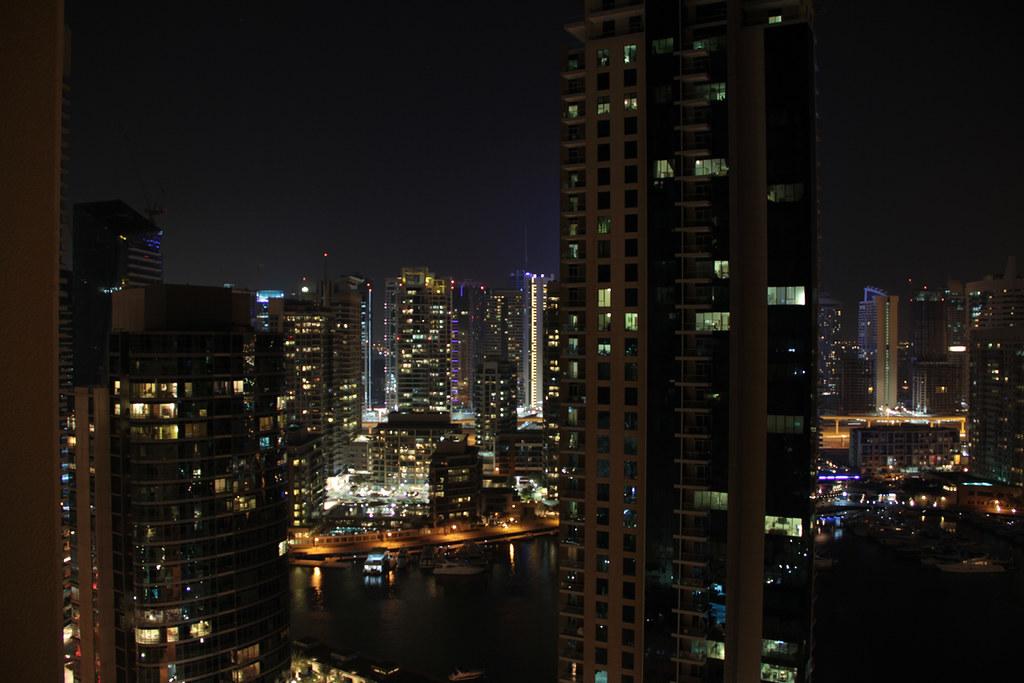
DUBAI, In April 2026, Entrepreneur Middle East's 'Startup Spotlight' featured two very different ventures: BrainScroller, an anti-doomscrolling learning app by Emirati entrepreneur Hamad Almheiri, and PRsonaME, an AI-powered personal branding platform by Premal Patel and Zeina Akkawi. Both are rooted in Dubai's broader tech ecosystem, including districts like DIFC in Deira's vicinity, and both represent the kind of innovation that regional accelerators and pitch events are increasingly designed to showcase.
Pitch culture, promise, and pitfalls
The city's startup pipeline now runs through a series of high-stakes demo days and curated investor meetings. The Mohammed Bin Rashid Innovation Fund (MBRIF) concluded its Ninth Innovation Accelerator Cohort Demo Day by awarding top honours to Aura (Best Pitch), Mantas (Best UAE Homegrown), and Neuroblast (Most Impactful), spanning health, transport, and clean energy. At Doers Summit Dubai, held November 26-27, 2025, a dedicated 'Startup Spotlight' segment let selected startups pitch to investor juries and secure follow-up meetings. The Sharjah Entrepreneurship Center (Sheraa) meanwhile championed startup-led industrial innovation at 'Make it in the Emirates 2025,' spotlighting ventures like Paltic Works, NRSAA, SpacePoint, and FUSE EV Conversions.
But for every startup that collects a trophy or lands a meeting, many more confront the same fundamental challenge: how to scale a product designed for a niche market into something that can compete globally while navigating the ethical questions that come with data-driven business models. An app that promises to reduce screen time, for example, still collects data about exactly when and how users scroll, raising the same privacy concerns it aims to solve.
The ethical line in a hyper-competitive ecosystem
The pressure to stand out can push founders toward over-promising. In a landscape where investors see hundreds of decks per funding round, the temptation to frame a prototype as a platform, or a pilot as a proven model, is real. AI-powered personal branding tools like PRsonaME rely on algorithms that shape how people present themselves professionally, but whose biases get built into those algorithms? And when a clean energy startup wins 'Most Impactful' at an accelerator demo day, how is that impact measured: by revenue, by carbon saved, or by the number of jobs created in the UAE?
These aren't academic questions. The same ecosystem that produced BrainScroller and Neuroblast also rewards founders who can tell the most compelling story, which isn't always the same as the most honest one. The 'Startup Spotlight' features, the demo day prizes, and the investor juries all create incentives that can skew a founder's decision-making away from long-term sustainability toward short-term optics.
What happens next in Dubai's startup scene will depend on whether the support infrastructure, the accelerators, the funds, the event platforms, evolves to reward not just growth but governance. Founders who can demonstrate transparent data practices, clearly defined impact metrics, and a realistic path to profitability are likely to outlast those who chase the spotlight without building the foundation. But for now, the stage is set, and the spotlight is bright.