wellness
Daytime Naps: How Business Bay Workers Can Sleep Better at Night
With 24/7 work culture and constant screen glow, more locals are turning to daytime sleep. But experts say timing and duration make all the difference.
How we reported this
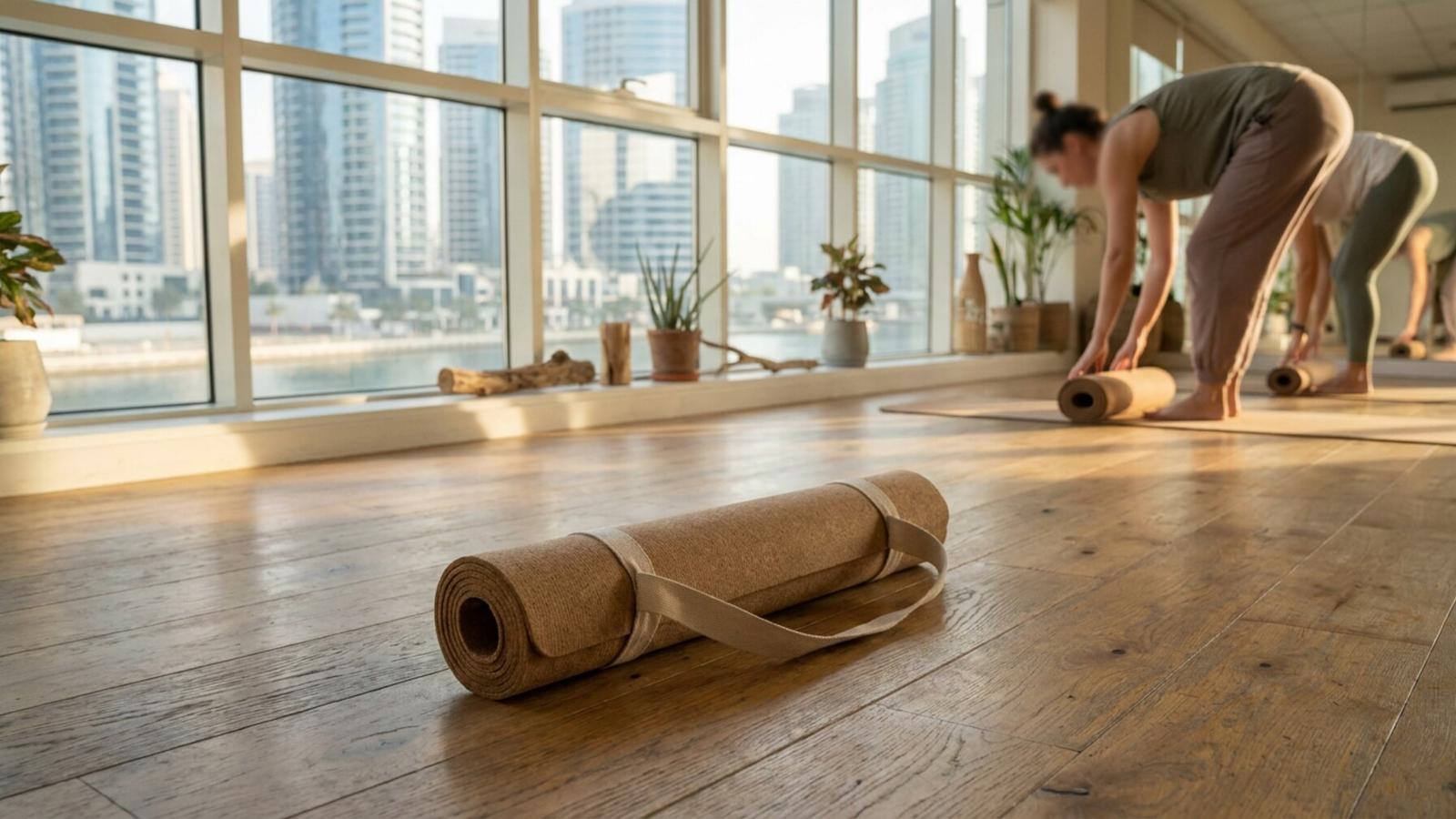
Three out of four Business Bay residents report taking at least one nap per week, according to a June 2026 survey by the Bay Wellness Collective. But nearly half of those say they wake up groggy, irritable, or struggle to fall asleep later that night.
The gap between a restorative power nap and a sleep-disrupting siesta comes down to two things: duration and timing. And in a district where coworking spaces like The Hive on Al Abraj Street and fitness hub Re:Fit on Marasi Drive both now offer dedicated ‘rest pods’ alongside espresso bars, the conversation around daytime sleep has shifted from indulgence to optimisation.
The problem with the ‘sleep debt’ trap
Napping isn’t new in Business Bay. It’s common among shift workers at the Dubai Tram depot, parents pushing strollers along the Business Bay Canal promenade, and freelancers who set their own hours at spaces like The Co-Working Loft on Al A’amal Street. But the rise of remote and hybrid work, combined with always-on Slack and WhatsApp groups, has pushed many professionals into a pattern of chronic sleep deprivation that they try to fix with afternoon naps.
“The average nap among our clients is 90 minutes,” says Dr. Layla Al-Rashid, sleep specialist at the Bay Sleep Clinic on Al Asayel Street. “That’s a full sleep cycle, which means they’re dipping into deep sleep and waking during slow-wave, the worst time to wake up. You feel hungover, not refreshed.”
Al-Rashid’s clinic, which opened in March 2025, has seen a 40 per cent increase in consultations over the past year. She notes that most of her patients who nap for longer than 45 minutes report worse overall sleep quality, despite clocking the same total hours per night.
When it works: the science of the power nap
Evidence from the Bay Sleep Clinic and international studies, including a 2024 meta-analysis in the Journal of Clinical Sleep Medicine, suggests that the optimal nap window is 10 to 20 minutes. That’s enough to boost alertness, improve motor performance, and reduce fatigue without entering slow-wave sleep. Longer naps, 30 to 60 minutes, can improve memory consolidation but come with a higher risk of sleep inertia upon waking.
The survey, conducted by the Bay Wellness Collective between 1-15 June 2026, polled 1,200 residents across Business Bay, including those living in towers like The Bay Residences and The Executive Tower. It found that 62 per cent of respondents who nap for 20 minutes or less felt “significantly more alert” afterward, compared to only 18 per cent of those who napped for 60 minutes or more.
For Business Bay workers, the ideal nap timing appears to be between 1:00 pm and 3:00 pm, what scientists call the post-lunch dip. Napping after 4:00 pm, however, is strongly associated with difficulty falling asleep at night, particularly among those who already struggle with insomnia. The study notes a 2.5x increase in night-time wakefulness for those who nap after 4:00 pm.
“If you’re going to nap, do it early in the afternoon, keep it short, and set an alarm,” says Al-Rashid. “And if you have trouble sleeping at night, just skip the nap entirely, even a 10-minute power nap can disrupt your circadian rhythm if you’re prone to insomnia.”
Local wellness brands have taken note. The team at Nap & Sip, a café on the Business Bay Canal Walk, launched a ‘Power Nap Hour’ in May 2026: from 1:00 pm to 2:00 pm, customers get a 15-minute capsule lounge slot with noise-cancelling headphones and a turmeric latte on the house. Co-owner Samir Gupta says demand has been “surprising”, with the café booking out 85 per cent of daily slots since the programme started.
For residents of the Executive Tower, the building’s management added a darkened quiet room on the 15th floor in February 2026, with hammocks and eye masks. According to building manager Priya Kapoor, the room sees peak use between 1:30 pm and 2:30 pm, with an average stay of 18 minutes. “People are finally realising that a short rest isn’t laziness, it’s a productivity tool,” Kapoor told The Daily Business Bay.
Further reading: The Bay Wellness Collective will publish a full guide to optimising daytime rest on its website on 15 July 2026. Residents can also consult a sleep specialist at the Bay Sleep Clinic or a general practitioner at any of the five Medicentres along Sheikh Zayed Road. As with any health change, it’s wise to seek personalised advice.