wellness
Deira's Farmers Markets Reveal 5 Must-Buy Summer Produce Picks Now
As summer heat peaks across the Gulf, Deira's neighbourhood markets are quietly stocking some of the season's most nutritious produce, if you know where to look.
Listen in English · 5 min
How we reported this
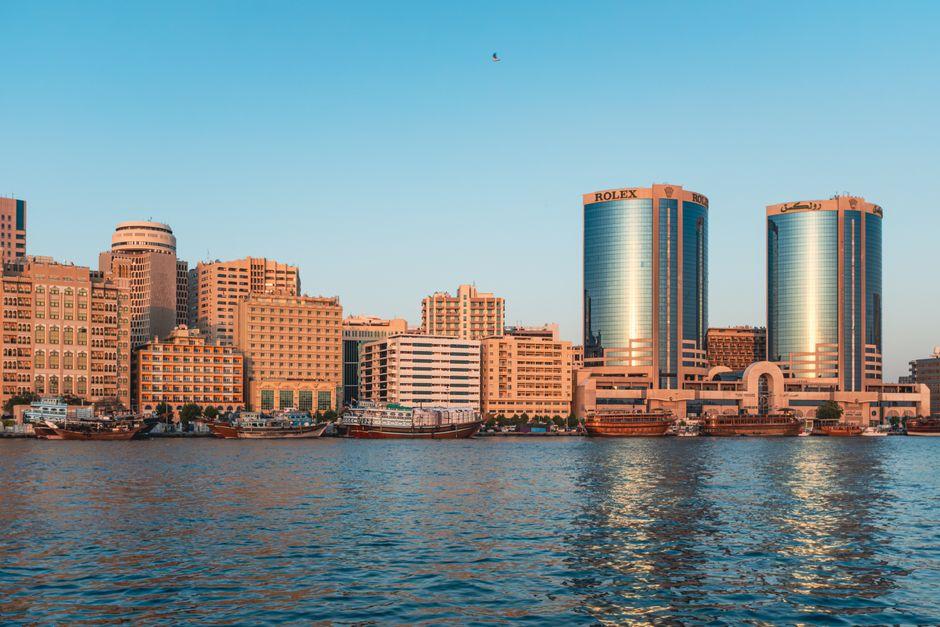
The Friday morning crowds at Deira's Al Muraqqabat Street market were already three deep by 7 a.m. this week. Vendors from Oman, Iran and Pakistan had their crates of dragon fruit, bitter melon and Batinah limes arranged before the sun cleared the rooftops. This is peak summer trading season, and the variety on offer is genuinely surprising for a city most visitors associate with supermarket chains.
Nutrition awareness is shifting fast in the UAE. The Dubai Health Authority's 2025 Non-Communicable Disease report put overweight prevalence among Dubai residents at around 67 percent, a figure that has galvanised community health organisations and market operators alike to push harder on fresh-produce access. Eating seasonally and locally, as food nutritionists have argued for years, remains one of the cheapest and most evidence-backed strategies for improving diet quality without overhauling a household budget. Right now, July produce in the Gulf leans heavily on what survives the heat: dates, tropical imports moving through Deira Port, and cool-stored vegetables from northern growing regions in Iran and the Levant.
Where to Shop: Deira's Best Market Spots
The Gold Souk area is the tourist headline, but serious food shoppers head to the Deira Covered Souk extension near Sikkat Al Khail Road, where a loose cluster of produce wholesalers has operated for decades. Vendors here sell by the crate or the kilo, and prices run roughly 25 to 40 percent below what you'll find at branded supermarkets on Baniyas Road. A kilogram of fresh Omani dates, the khalas variety, small and caramel-sweet, was selling for AED 12 this past week. Iranian cucumbers, thin-skinned and almost seedless, were moving at AED 8 for a two-kilo bag.
The Al Mamzar neighbourhood on Deira's northeastern edge hosts a smaller but increasingly popular weekend market in the car park adjacent to Al Mamzar Beach Park. It runs Saturday and Sunday mornings from roughly 6:30 a.m. and has attracted vendors selling herb bundles, fenugreek, dried lime, flat-leaf parsley, alongside eggs from small-scale Gulf farms. The Gulf Food Collective, a Dubai-registered community enterprise that connects smallholders with urban buyers, has had a regular stall there since February 2026. Their boxes of microgreens and locally sprouted lentils have built a steady following among the district's Filipino and South Asian communities, who already cook heavily with legumes and fresh herbs.
What to Actually Buy in July
July is date season across the Arabian Peninsula and that fact alone is nutritional good news. Fresh Barhi dates, round, golden, eaten before they dry, are available only for a few weeks annually and pack potassium, magnesium and natural sugars that nutritionists frequently recommend as an energy source preferable to refined snacks. Look for vendors near the Dubai Old Souk Abra Station on the Deira waterfront, where Emirati and Omani suppliers bring in fresh Barhi from late June through August.
Bitter melon, known locally as karela, is abundant right now and worth picking up. A single 100-gram serving contains roughly 44 milligrams of Vitamin C, about half the daily recommended intake for adults, and it remains one of the most studied vegetables for blood sugar management, though anyone managing a specific condition should check with a healthcare professional before making it a dietary staple. It sells for around AED 6 per kilo at Al Muraqqabat, and it takes well to a quick stir-fry with garlic and egg.
Tropical imports moving through Port Saeed and distributed to Deira's wholesale market on Omar Ibn Al Khattab Road include Philippine mangoes, Indian Alphonso varieties and Indonesian snake fruit. Alphonso season typically winds down by mid-July, so the next two weeks represent the last reliable window. Prices have softened from their April peak of AED 35 per kilo down to around AED 22 for a tray of six.
The practical advice is simple: go early, bring cash in small denominations, and resist the urge to buy only what looks familiar. The vendors at Al Muraqqabat and Al Mamzar generally know their produce well and will advise on preparation if asked. The Gulf Food Collective also runs a free WhatsApp channel, searchable by name on the platform, where they post weekly availability updates from their partner growers. The season is short and the produce is good. There is no better time to explore it.