wellness
Can't Sleep in the City That Never Dims? Downtown Dubai's Sleep Clinics Want to Help
With 24-hour construction noise, relentless heat, and screens on every surface, residents of Downtown Dubai are turning to sleep medicine specialists, and the options are closer than you think.
How we reported this
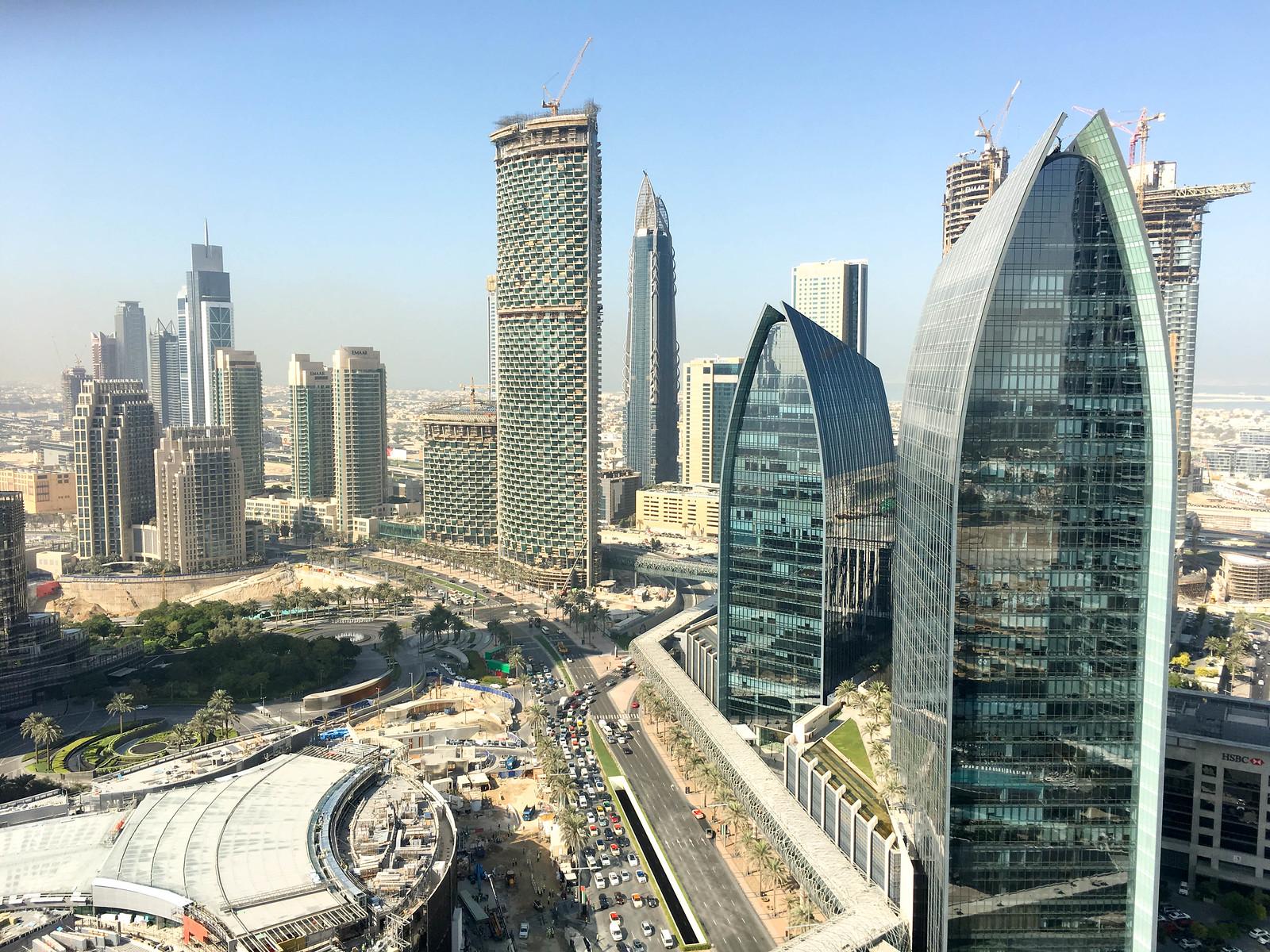
Sleep deprivation is not a personality trait. That point is being made with increasing urgency by physicians at Dubai's growing network of sleep clinics, where appointment backlogs have stretched to three weeks or more this summer. The emirate's broader health data tells the story plainly: a 2024 survey by the Dubai Health Authority found that roughly 40 percent of UAE residents sleep fewer than six hours a night, well below the seven-to-nine-hour minimum recommended by the American Academy of Sleep Medicine.
The timing matters. July in Downtown Dubai means temperatures hitting 43°C by mid-morning, which drives residents indoors, disrupts circadian rhythms, and compresses the window between outdoor activity and bedtime. Add the construction hum audible from towers along Sheikh Mohammed bin Rashid Boulevard after midnight, and the hormone research circulating widely this week, linking poor sleep to disrupted melatonin and cortisol cycles, and you have a population primed to finally book that consultation they've been putting off for two years.
Where to Go: Sleep Medicine in and Around Downtown
The most accessible option for Downtown residents is the American Hospital Dubai's Sleep Disorders Centre, located roughly 15 minutes from Burj Khalifa by car on Oud Metha Road. The centre runs full overnight polysomnography studies, the gold-standard diagnostic tool that monitors brain waves, oxygen levels, heart rate, and body movement simultaneously. A standard in-lab sleep study there is priced between AED 2,800 and AED 3,500, depending on the complexity of the diagnostic panel requested. Most major UAE insurance schemes, including Daman's Enhanced network, cover polysomnography when referred by a general practitioner.
Closer to the Burj Khalifa metro station, the Aster Clinic on Sheikh Zayed Road, approximately 1.2 kilometres from The Dubai Mall's main entrance, offers an initial sleep health assessment for AED 350. The clinic's pulmonology team handles straightforward obstructive sleep apnoea referrals and can arrange home sleep-testing kits, a less intimidating entry point for patients reluctant to spend a night wired up in a hospital room. Home kits track respiratory effort, pulse oximetry, and snoring patterns over two nights at home; results are reviewed within five working days.
The Dubai Sleep Centre at Mediclinic City Hospital, inside Dubai Healthcare City, is another established name. It holds Joint Commission International accreditation and runs a paediatric sleep programme alongside its adult services, relevant for Downtown families whose children are struggling with school-year sleep schedules ahead of the September term restart.
What the Studies Actually Measure, and What Comes Next
A polysomnography report lands on a scale called the Apnoea-Hypopnoea Index. Fewer than five events per hour is considered normal; anything above 30 is classified as severe obstructive sleep apnoea, a condition linked to elevated blood pressure, type-2 diabetes risk, and reduced cognitive performance. Physicians stress that a formal diagnosis, not a sleep-tracking app reading, is the only basis for a CPAP machine prescription or surgical referral.
For residents who suspect stress and lifestyle rather than a structural disorder, the Downtown Wellness District, the cluster of studios and clinics between The Address Residences and Emaar Square, has seen several integrative health practices add sleep coaching to their offering this year. These programs typically run AED 1,200 to AED 1,800 for a six-week course combining cognitive behavioural therapy for insomnia, circadian light management, and dietary timing guidance. They do not replace clinical sleep studies but are a reasonable first step for otherwise healthy adults.
The practical advice from every practitioner in the field converges on the same starting point: track your sleep for two weeks using whatever tool you have, note your caffeine cutoff time and your screen-off time, and bring that log to your first appointment. Downtown Dubai's clinics are well-equipped. The gap is mostly in residents deciding the problem is serious enough to address. It is.
This article is general wellness information only. Readers experiencing sleep difficulties should consult a licensed medical professional in the UAE for personalised advice.